

How to Build a Daily Recovery Routine Using Your Ice Bath or Sauna
Recovery is no longer something reserved for elite athletes or intense training days. In today’s fast-paced world, physical and mental stress builds quietly through long work hours, screen time, training, poor sleep, and constant stimulation. A daily recovery routine helps counterbalance that load, allowing your body and nervous system to reset consistently rather than reactively.
Ice baths and saunas have become two of the most effective tools for at-home recovery. When used intentionally, they support physical restoration, mental clarity, and long-term wellbeing. The key is not intensity or duration, but consistency. A simple, repeatable routine is far more powerful than occasional extremes.
This guide explores how to build a daily recovery routine using your ice bath or sauna, and how to make recovery a sustainable part of your lifestyle.
Key Takeaways
-
A daily recovery routine helps manage physical and mental stress before fatigue or burnout builds up.
-
Ice baths support alertness and muscle recovery while saunas promote relaxation and nervous system balance.
-
Consistency matters more than intensity with short regular sessions delivering better long term results.
-
Recovery works best when it fits naturally into your lifestyle and supports sleep energy and wellbeing.
What Does a Daily Recovery Routine Really Mean?
A daily recovery routine is not about chasing discomfort or pushing limits. It is about creating short, purposeful moments that help your body regulate stress, restore balance, and adapt to the demands of everyday life.
Recovery works best when it is proactive. Instead of waiting for soreness, fatigue, or burnout to appear, daily recovery helps manage physical and mental load before it becomes overwhelming. This approach supports energy levels, performance, sleep quality, and long-term resilience.
Ice baths and saunas fit naturally into this model. They provide controlled stress that encourages adaptation, followed by relaxation and restoration. Over time, this rhythm supports both physical recovery and nervous system regulation.
Understanding Cold and Heat Therapy
Cold and heat therapy work through different mechanisms, but both play an important role in recovery.
Cold exposure, such as an ice bath, triggers a physiological response that helps reduce muscle soreness, support circulation, and improve tolerance to stress. It activates the nervous system briefly, followed by a calming rebound effect once the body warms again. The science-backed benefits of cold therapy highlight how cold immersion supports recovery when used consistently.
Heat exposure through a sauna promotes muscle relaxation, increased blood flow, and a shift toward a more relaxed nervous system state. Heat also supports recovery by encouraging circulation and helping the body unwind after physical or mental effort, which is why many people incorporate regular sauna use for its well-documented sauna benefits.
Used together or separately, cold and heat therapy complement each other. The goal is not to choose one over the other, but to understand when each fits best into your day.
When to Use an Ice Bath in Your Day
Ice baths are often associated with intense training, but they can be just as valuable for general recovery and mental reset.
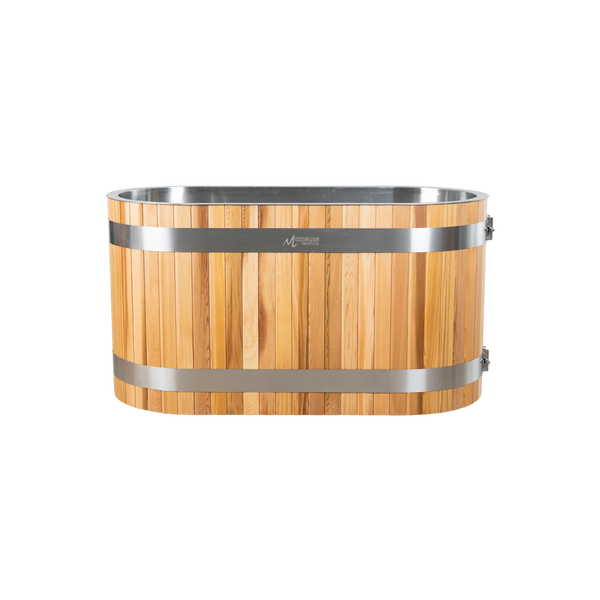
Cold exposure is particularly effective earlier in the day or after physical activity. Short, controlled sessions help reduce muscle soreness and create a sense of alertness without overstimulation. Many people find that ice baths improve focus and mental clarity, making them ideal for mornings or post-workout recovery.
A daily ice bath routine does not need to be long. Even one to three minutes of cold immersion can provide meaningful benefits when done consistently. The focus should be on calm breathing and controlled exposure rather than enduring discomfort.
As with any recovery practice, it is important to listen to your body. Gradual adaptation leads to better results than pushing intensity too quickly.
When to Use a Sauna in Your Day
Saunas are particularly effective later in the day when the goal is relaxation and restoration. Heat exposure helps muscles relax, encourages circulation, and supports the transition from a busy day into rest.
Using a sauna in the evening can help signal to the body that it is time to slow down. Many people find that regular sauna sessions support better sleep quality by promoting physical relaxation and reducing mental tension.
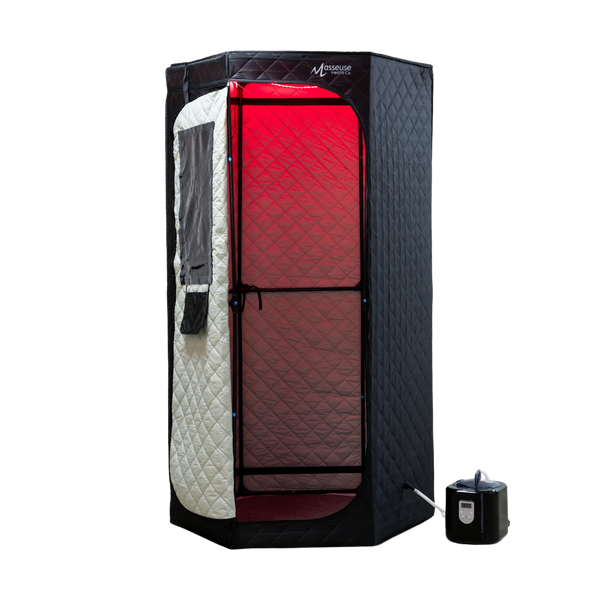
Infrared saunas offer a gentler heat experience that can feel more accessible for daily use. Sessions can be brief and comfortable while still providing meaningful recovery benefits, which is why many people opt for modern home options.
Ice Bath vs Sauna: Do You Need Both?
Not everyone needs both an ice bath and a sauna to build an effective recovery routine. Many people achieve excellent results by committing to one tool and using it consistently.
Ice baths are well-suited for those who train frequently, experience muscle soreness, or want a strong mental reset. Saunas are ideal for relaxation, stress reduction, and winding down at the end of the day.
For those who choose to use both, contrast therapy can be introduced gradually. Alternating between cold and heat encourages circulation and provides a balanced recovery experience. The key is to keep sessions controlled and intentional rather than excessive, as demonstrated in real-world recovery routines such as Jacqui Bell’s endurance journey.
Building a Simple Daily Recovery Routine
A daily recovery routine should feel achievable, not overwhelming. It should fit naturally into your day rather than compete with it.
A simple morning routine might include light movement followed by a short ice bath to promote alertness and physical readiness. This can be especially effective after training or before a demanding day.
An evening routine may focus on slowing down. A sauna session paired with calm breathing or quiet time helps the body transition into rest and recovery. Keeping the environment relaxed and distraction-free enhances the benefits, particularly when using purpose-built products such as the EverGlow® infrared sauna.
Some days may call for cold exposure, others for heat, and some for both. Flexibility is part of sustainability. Recovery should support your life, not dictate it.
Safety, Consistency, and Best Practice
Safety is an essential part of any recovery routine. Hydration, gradual exposure, and awareness of your body’s response are key.
Cold exposure should always be approached gradually. Short sessions at manageable temperatures allow your body to adapt without excessive stress. Understanding setup and upkeep helps ensure consistent and safe use.
Heat exposure should also be kept within comfortable limits, especially for daily use. Practical guidance like a sauna maintenance and care guide supports long-term performance and reliability.
Consistency is more important than intensity. Daily or near-daily recovery practices support adaptation and long-term benefits, while extreme sessions can increase fatigue rather than reduce it.
Making Recovery Part of Your Lifestyle
Recovery is not something you do only when something feels wrong. It is a foundation for long-term wellbeing, performance, and resilience.
Designing a dedicated recovery space at home helps reinforce consistency. A calm, uncluttered environment encourages intentional use and turns recovery into a ritual rather than a task. Ice baths and saunas designed for home use support this lifestyle approach.
Recovery works best when paired with other healthy habits such as movement, nutrition, sleep, and stress management. Ice baths and saunas support these habits by helping the body adapt and restore more effectively.
Over time, daily recovery becomes less about effort and more about rhythm. It becomes a natural part of how you care for your body and mind.
Create a Recovery Routine That Works for You
Building a daily recovery routine with an ice bath or sauna is about simplicity, consistency, and intention. Cold and heat therapy offer powerful benefits when used thoughtfully and regularly, supporting both physical recovery and mental balance.
Whether you prefer the clarity of cold exposure, the calm of heat, or a combination of both, the most effective routine is one that fits your lifestyle and feels sustainable. Recovery is not about doing more. It is about doing what supports your body best, day after day.
By making recovery part of your daily rhythm, you invest in long-term energy, resilience, and wellbeing.
Explore our products
Explore Editorial Content


