

Benefits of Cold Therapy: What It Is and How It Supports Recovery
Cold therapy has become a widely used recovery practice for people looking to improve physical wellbeing, manage stress, and support long-term health. Once associated mainly with elite athletes, cold exposure is now embraced by everyday individuals seeking a simple and effective way to recover from modern life demands.
From physical training and long workdays to mental fatigue and poor sleep, the body is constantly adapting to stress. Cold therapy provides a controlled stimulus that encourages recovery, resilience, and balance when used intentionally and consistently. Understanding how it works and how to apply it safely can help you make the most of its benefits.
Key Takeaways
-
Cold therapy supports physical recovery stress regulation and overall wellbeing through brief controlled exposure.
-
Regular cold exposure helps reduce soreness improve focus and build resilience to daily stress.
-
Ice baths provide a consistent and effective way to practice cold therapy at home with repeatable routines.
-
Cold therapy works best when used safely consistently and as part of a balanced recovery lifestyle.
What Is Cold Therapy?
Cold therapy refers to the application of cold temperatures to the body for recovery and wellbeing purposes. This can include ice packs, cold showers, cold water immersion, or ice baths. The aim is not discomfort for its own sake, but brief, controlled exposure that encourages physiological adaptation.
When practiced consistently, it becomes a proactive recovery tool rather than a reactive one. Instead of waiting for soreness, fatigue, or burnout to appear, cold exposure helps manage physical and mental load before it accumulates.
Cold therapy works best when it is simple, intentional, and adapted to the individual. Short sessions performed regularly are often more effective than infrequent, extreme exposure.
What Happens to Your Body During Cold Therapy
When the body is exposed to cold, several immediate physiological responses occur. Blood vessels near the skin constrict, redirecting blood flow toward the core and vital organs. This process helps manage inflammation and supports circulation once the body rewarms.
Cold exposure also activates the nervous system. Initially, the body experiences a brief stress response, followed by a calming rebound effect after exposure ends. This shift can support nervous system regulation, helping the body transition out of a constant stress state.
Over time, regular cold therapy encourages adaptation. The body becomes more efficient at handling stress, regulating temperature, and recovering from both physical and mental demands, which is why many people explore the broader benefits of cold therapy as part of a recovery-focused lifestyle.
Key Benefits of Cold Therapy
Cold therapy offers a range of benefits when used correctly and consistently. One of the most well-known benefits is its ability to support muscle recovery. Cold exposure can help reduce muscle soreness after physical activity by influencing inflammation and circulation.
It may also support mental clarity. Many people report feeling more alert and focused after cold exposure, making it a useful tool for resetting during busy or mentally demanding days.
Another important benefit is stress resilience. By introducing short periods of controlled stress, cold therapy trains the body to respond more effectively to challenges. Over time, this can support emotional regulation and a greater sense of balance.
Cold Therapy for Physical Recovery
Cold therapy is commonly used to support physical recovery after exercise or prolonged physical effort. It can be especially helpful following strength training, endurance activities, or long days involving repetitive movement or standing.
By influencing blood flow and inflammation, cold exposure supports the body’s natural recovery processes. This can help reduce lingering soreness and support consistent movement and training routines.
Cold therapy is not limited to athletes. Individuals with physically demanding jobs or active lifestyles can also benefit from regular cold exposure as part of a broader recovery approach that includes structured tools such as ice baths.
Cold Therapy for Mental Reset and Stress Management
Beyond physical recovery, cold therapy plays a role in mental wellbeing. The controlled stress of cold exposure encourages the nervous system to reset, helping reduce mental fatigue and emotional overload.
Cold exposure requires presence and controlled breathing, which can act as a form of mindfulness. This intentional focus can help interrupt stress cycles and create a sense of clarity and calm after exposure.
For many people, cold therapy becomes a ritual that marks the transition between parts of the day, such as after work or training. This psychological benefit is just as important as the physical effects.
Cold Therapy vs Heat Therapy
Cold therapy and heat therapy serve different purposes, and understanding when to use each can improve recovery outcomes.
Cold therapy is generally more effective when the goal is reducing soreness, managing inflammation, or increasing alertness. It is often used earlier in the day or after physical activity.
Heat therapy, such as sauna use, is better suited for relaxation, muscle loosening, and winding down. Heat encourages circulation and supports a calmer nervous system state, which is why many people explore the complementary benefits of sauna therapy alongside cold exposure.
Many people benefit from using both therapies at different times, depending on their needs. The key is choosing the right tool for the desired outcome rather than applying one approach universally.
How to Use Cold Therapy at Home
Cold therapy can be applied at home in several ways. Ice packs are often used for targeted areas but may not provide full-body benefits. Cold showers offer convenience but can be difficult to control consistently.
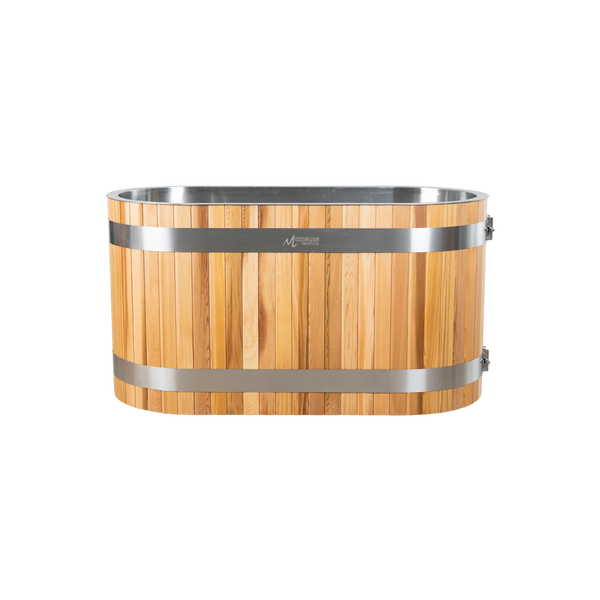
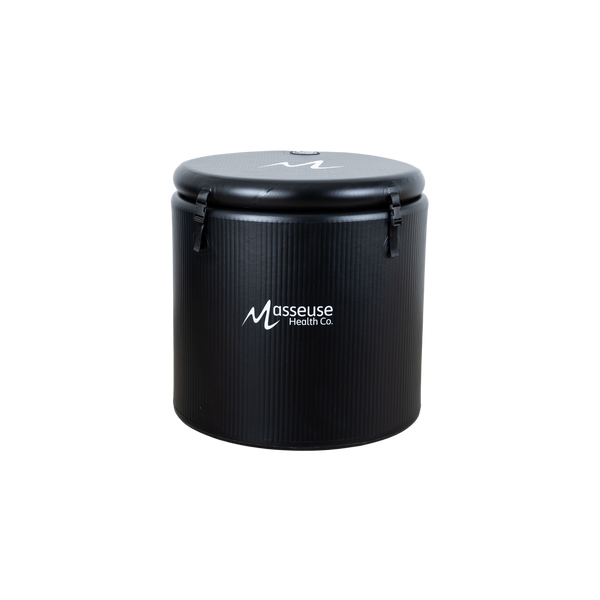
Cold water immersion and ice baths provide a more structured approach. They allow for controlled temperature, consistent exposure, and repeatable routines. This consistency is what makes cold therapy most effective over time.
Typical cold therapy sessions are brief, often lasting between one and three minutes. Longer exposure is not always better and may increase fatigue rather than recovery. Comfort, safety, and consistency should guide your approach, particularly when using purpose-built products like the Plunge ice bath.
Simple Cold Therapy Routine Examples
Cold therapy routines should be simple and adaptable. A morning routine might include light movement followed by a short cold exposure to promote alertness and readiness for the day.
After physical training, cold therapy can be used to support muscle recovery and reduce soreness. Short sessions paired with calm breathing help the body transition out of a high-effort state.
On rest days or weekends, cold therapy can be used as part of a general reset routine, supporting both physical and mental balance without overloading the body.
Safety, Best Practice, and Consistency
Safety is essential when practicing cold therapy. Gradual exposure allows the body to adapt and reduces unnecessary stress. Starting with shorter durations and milder temperatures helps build tolerance over time.
Hydration is also important, as cold exposure can influence circulation and energy levels. Paying attention to how your body responds ensures cold therapy remains supportive rather than draining.
Understanding proper setup and ongoing care, such as outlined in this ice bath maintenance and care guide, helps ensure consistent and safe use over time.
Why Ice Baths Are an Effective Form of Cold Therapy
Ice baths offer a structured and controlled way to practice cold therapy. They provide consistent temperature, full-body exposure, and ease of routine building.
By removing guesswork, ice baths make it easier to maintain a regular recovery habit. This consistency supports adaptation and long-term benefits rather than short-term discomfort.
Ice baths also encourage intentional recovery. The act of setting aside time for cold exposure reinforces recovery as a priority rather than an afterthought, especially when supported by dedicated at-home solutions such as those found within curated ice bath collections.
Frequently Asked Questions
How long should a cold therapy session last?
Most benefits can be achieved with sessions lasting one to three minutes. Longer exposure is not necessary for daily use.
Is cold therapy suitable for daily use?
Yes, when applied in short, controlled sessions and adapted to individual tolerance, cold therapy can be used regularly.
Can cold therapy help with inflammation and soreness?
Cold therapy may support the body’s natural inflammatory response and help manage soreness when used consistently and appropriately.
Making Cold Therapy Part of Your Recovery Lifestyle
Cold therapy is most effective when it becomes part of a broader recovery lifestyle. This includes movement, rest, nutrition, and stress management.
By integrating cold exposure into daily or weekly routines, recovery becomes proactive rather than reactive. Over time, this approach supports energy levels, resilience, and long-term wellbeing.
Cold therapy does not need to be extreme to be effective. Simplicity, intention, and consistency are what create lasting benefits.
Explore our products

Explore Editorial Content


