

What Is Chromotherapy? A Beginner’s Guide to Colour Light Therapy
Chromotherapy is becoming a popular feature in modern wellness spaces, especially for people creating a more immersive sauna experience at home. Also known as colour light therapy, chromotherapy uses coloured light to shape the mood, ambience, and sensory feel of a wellness routine. It is not a medical treatment, but it can help create a more calming, energising, or restorative environment, depending on the colour you choose and the way you use it.
For beginners, the idea is simple. Colour can change the way a space feels. Just as soft lighting can make a room feel more relaxing, coloured light can help set the tone for rest, recovery, focus, or stillness. In wellness environments, chromotherapy is often used to make routines feel more intentional, personal, and spa-like.
Key Takeaways
-
Chromotherapy uses coloured light to create a more calming, energising, or restorative sauna experience at home.
-
Different colours can help shape the mood of a wellness routine, such as blue for calm or yellow for a brighter reset.
-
Colour light therapy is not a medical treatment, but it can make sauna, recovery, and relaxation routines feel more intentional.
-
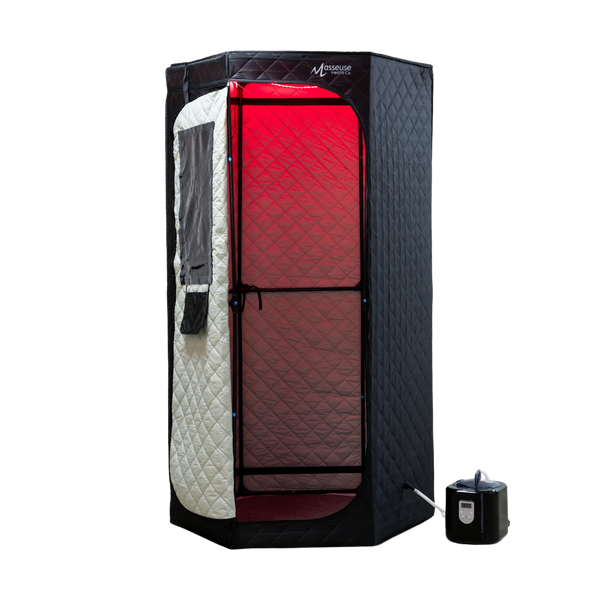
Masseuse Health Co. saunas use chromotherapy to support a more immersive and personalised home wellness experience.
Understanding Chromotherapy in Simple Terms
Chromotherapy is the use of coloured light to influence the atmosphere of a space or session. It may also be called colour therapy or colour light therapy. In a home wellness setting, this usually means using coloured LED lighting to create a particular mood.
The goal is not to force a specific result. Instead, chromotherapy is best understood as a sensory wellness practice. It gives you the ability to personalise your environment based on how you want to feel. Some people use cooler tones to create calm. Others prefer warmer colours for a more energising atmosphere.
In saunas, chromotherapy can add another layer to heat therapy. The warmth supports the physical side of the experience, while the lighting shapes the emotional tone of the space. Together, they can make a session feel more immersive and restorative.
This is why chromotherapy is often found in premium home saunas, recovery rooms and spa-inspired wellness areas. It helps turn an everyday routine into a more considered ritual.
Why Colour Matters in Wellness Environments
Lighting has a powerful effect on how a space feels. A bright white room can feel clean and focused. A soft blue room may feel cooler and calmer. A warm amber glow can make a space feel more relaxed and inviting.
Chromotherapy works with this same idea. It uses colour to create a mood-led environment that supports the purpose of your routine. If you are trying to unwind after a long day, a softer colour may help the space feel more peaceful. If you are starting the morning with a recovery session, a brighter colour may feel more uplifting.
This is especially relevant for at-home wellness. When your environment feels good, you are more likely to use it consistently. A sauna, recovery space, or meditation area that feels calm and personal becomes easier to return to as part of your lifestyle.
Masseuse Health Co. focuses on recovery tools that help people feel clearer, lighter, and more in control. Chromotherapy fits naturally into that approach because it supports the experience around the routine, not just the function of the product.
The Basics of Colour Light Therapy
Colour light therapy uses visible coloured light to create a particular ambience. In most modern wellness spaces, this is done through LED lighting systems that let you choose from a range of colour settings.
Beginners do not need to understand wavelengths or light science in detail to start using chromotherapy. The most important thing is to notice how each colour makes the space feel to you. The experience is personal, and your response to colour may be different from someone else’s.
In a sauna setting, colour light therapy can be used before, during, or after a heat session. You may prefer one colour for deep relaxation and another for a post-workout reset. Over time, these colour choices can become part of your routine, helping signal whether the session is for energy, calm, focus, or recovery.
This is where chromotherapy becomes practical. It gives you a low-effort way to adjust your environment without changing the entire routine.
Common Chromotherapy Colours and Their Associations
Colour meanings are best viewed as general wellness associations, not guaranteed effects. The right colour is the one that helps your space feel aligned with your goal.
Common chromotherapy colour associations include:
-
Red: Often associated with warmth, energy, and stimulation. It may suit a more active or energising session.
-
Blue: Often associated with calm, cooling, and relaxation. It may suit evening wind-downs or quiet recovery.
-
Green: Often associated with balance, harmony, and restoration. It may suit steady, grounded routines.
-
Yellow: Often associated with brightness, clarity, and focus. It may suit a morning reset or mood-lifting session.
-
Purple: Often associated with stillness, mindfulness, and reflection. It may suit meditation-style routines.
-
Orange: Often associated with warmth, positivity, and creativity. It may suit an uplifting self-care session.
-
White: Often associated with clarity, simplicity, and a clean spa-like feel. It may suit users who prefer a minimal visual environment.
These associations can be helpful when you are starting out, but personal preference matters most. If blue feels calming to you, use it. If green makes the space feel more balanced, make it part of your routine.
How Chromotherapy May Support Mood and Relaxation
Chromotherapy may support mood and relaxation by helping create a more comfortable and intentional environment. It does not need to claim to treat stress, anxiety, or sleep issues to be valuable. Its strength is in how it shapes the atmosphere around your routine.
A calming light setting can make a wellness space feel softer and more inviting. A brighter colour can make a session feel more energising. A balanced tone can help create a sense of stillness after training, work, or a mentally demanding day.
Mood is influenced by many factors, including environment, temperature, sound, privacy, breathing, and routine. Chromotherapy works alongside these elements. It gives your mind a visual cue that you are entering a different state, whether that is recovery, calm, focus, or rest.
This is why many people enjoy pairing chromotherapy with practices like breathwork, stretching, meditation, or heat therapy. The colour does not do all the work. It simply helps create the setting for a better experience.
Where Chromotherapy Is Commonly Used
Chromotherapy is commonly used in wellness spaces that focus on relaxation, recovery, and sensory comfort. These can include spas, home saunas, meditation rooms, recovery rooms, and premium health retreats.
In a home setting, chromotherapy is often valued because it helps make the space feel more considered. A simple light change can shift the atmosphere from functional to immersive. This can make a sauna or recovery area feel more like a private wellness escape than a standard room in the house.
It is also commonly used in sauna chromotherapy, where coloured light is built into the sauna experience. This allows users to match the colour setting to their session goal. For example, someone may choose a calming colour before bed or a more energising colour after a workout.
For people exploring the wider sauna benefits, chromotherapy can be seen as an experience-led feature. It supports comfort, ambience, and consistency, helping the routine feel easier to enjoy over time.
Chromotherapy and At-Home Recovery Routines
At-home recovery is no longer reserved for athletes. More people are building wellness routines around sleep, stress management, muscle recovery, focus, and daily reset rituals. Chromotherapy can support this by making those routines feel more intentional.
In a sauna, coloured light can work alongside heat therapy to create a more complete sensory experience. Heat provides warmth and physical release. Colour shapes the emotional tone of the session. Together, they can help create a routine that feels calm, premium, and personal.
This may be especially useful for people who struggle to switch off. A dedicated colour setting can become a signal that it is time to slow down. Over time, the combination of light, heat, and stillness may help the routine feel more familiar and easier to repeat.
Masseuse Health Co.’s content on heat therapy for sleep quality explores how heat can form part of an evening routine. Chromotherapy can add another layer to this by helping the space feel softer, calmer, and more suited to winding down.
For post-workout users, colour light therapy can also make recovery feel more rewarding. Whether you prefer a gentle green setting after training or a warmer tone for a more energising reset, the ability to personalise the space helps make recovery feel less like a task and more like a ritual.
What Chromotherapy Is Not
Chromotherapy is not a guaranteed medical treatment, cure, or replacement for professional healthcare. It should not be used as a substitute for medical advice, mental health support, or treatment for any health condition.
Its role is better understood as supportive and sensory. It may help improve the way a wellness routine feels by enhancing ambience, comfort, and visual atmosphere. For many users, that is where its value sits.
This distinction is important. Chromotherapy does not need to be overclaimed to be useful. A feature that helps you enjoy your sauna more, relax more easily, or build a more consistent recovery routine can still be worthwhile.
Used correctly, chromotherapy is a simple way to personalise your space and make your self-care routine feel more intentional.
Choosing the Right Colour for Your Routine
The best colour depends on the kind of session you want to create. Rather than choosing based on rules, start with your goal and adjust from there.
A simple beginner approach could look like this:
-
For calm and relaxation, try blue, green, or purple.
-
For a brighter morning reset, try yellow or white.
-
For warmth and energy, try red or orange.
-
For a balanced recovery session, try green.
-
For a mindfulness-style session, try purple or soft blue.
Pay attention to how each colour changes the feel of the space. You may find that some colours suit certain times of day better than others. For example, a warm tone may feel good after training, while a cooler tone may feel better before bed.
The goal is comfort and consistency. You do not need to use every colour in one session. In fact, beginners may find it easier to start with one or two colours and build from there.
How to Start with Chromotherapy as a Beginner
If you are new to colour light therapy, start simply. Choose one colour that matches your session goal and use it consistently for a few sessions. This will help you understand how that colour changes the mood of your space.
For example, you might use blue during evening relaxation sessions or green during post-workout recovery. Once you are comfortable, you can experiment with other colours and build your own preferences.
Keep the rest of the routine simple as well. Choose a comfortable session length, stay hydrated, and listen to your body. If you are using chromotherapy in a sauna, avoid turning the session into a test of endurance. A consistent, enjoyable routine is often more valuable than pushing yourself too hard.
This is where premium home wellness products can make a difference. Saunas such as the EverGlow® Traditional and EverGlow® Infrared are designed for people who want to build a more immersive at-home recovery experience. Features like chromotherapy lighting can help make each session feel more personal and restorative.
Is Colour Light Therapy Right for You?
Colour light therapy may be a good fit if you enjoy sensory wellness, personalisation, and creating a calming atmosphere at home. It may also suit you if you already use a sauna, meditation, breathwork, stretching, or other recovery practices and want to make the experience feel more complete.
It is especially appealing for people who value routine. When a wellness space feels good, it becomes easier to return to. Chromotherapy can help create that feeling by making each session more visually comfortable and emotionally aligned with your goal.
It may not be necessary for everyone. If you prefer a simple, minimal environment, you may not use coloured lighting often. But for those who enjoy mood-led atmosphere and spa-like detail, chromotherapy can add a meaningful layer to the experience.
The best way to know is to try it with an open mind. Use it as a tool for ambience, not as a promise. Notice how the colours feel. Keep what works and leave what does not.
Experience Colour, Calm and Recovery at Home
Chromotherapy is a beginner-friendly way to make your sauna routine feel more personal, immersive, and restorative. By using coloured light to shape ambience, mood, and relaxation, colour light therapy can help transform a simple wellness session into a more intentional daily ritual.
It is not a medical treatment, and it should not be treated as one. Its value lies in the experience it helps create. Whether you want to feel calmer after work, more grounded after training, or more prepared for rest, chromotherapy can support the atmosphere around your routine.
Masseuse Health Co. brings premium recovery and wellness tools into the home, helping people create spaces that support clarity, calm, and everyday performance. Explore the sauna range to discover home wellness solutions designed for deeper recovery, better routines, and a more elevated self-care experience.
Explore our products


Explore Editorial Content


