

Can Heat Therapy Improve Sleep Quality? What Research Says About Recovery
Sleep is one of the most powerful recovery tools available, yet it is often the easiest to overlook. Training, stress, long workdays, muscle soreness, and busy routines can all affect how well the body settles at night. That is why more people are turning to heat therapy and saunas as part of a calmer, more intentional evening recovery ritual.
Heat therapy is not a magic switch for better sleep, but research suggests it may support the body’s natural wind-down process when used at the right time. From relaxation and circulation to muscle recovery and body temperature regulation, heat exposure can play a practical role in helping the body transition from stress to rest.
Key Takeaways
-
Heat therapy may support better sleep by helping the body relax and shift into a calmer evening state.
-
Using a sauna one to two hours before bed gives the body time to warm up and cool down before sleep.
-
Infrared and traditional saunas can both support recovery when used safely and consistently.
-
A good heat therapy routine works best with hydration, a gentle cooldown time, and reduced screen use before bed.
What Is Heat Therapy?
Heat therapy is the use of controlled warmth to support relaxation, recovery, and general wellbeing. It can include infrared saunas, traditional saunas, warm baths, warm showers, and other forms of passive body heating.
In a recovery context, heat therapy is often used to help ease muscle tension, promote circulation, and create a sense of calm after physical or mental stress. For active people, this may be after training. For busy professionals, it may be after a long day. For anyone trying to create a better evening routine, it can become a consistent signal that the day is slowing down.
Sauna therapy is one of the most popular forms of heat therapy because it gives people a controlled environment for heat exposure. An infrared sauna uses infrared heat to warm the body directly, while a traditional sauna heats the surrounding air to create a more classic high-heat experience.
Both can support a recovery-focused lifestyle. The best choice depends on your preference, heat tolerance, space and the type of ritual you want to create at home.
Why Sleep Quality Matters for Recovery
Recovery does not only happen after a workout. It happens every night.
Good sleep supports muscle repair, energy restoration, focus, mood, immune function, and overall performance. When sleep quality drops, the body may feel slower to recover. Muscle soreness can feel more noticeable, stress can feel harder to manage, and daily energy may dip.
For athletes and fitness-focused users, sleep is a core part of performance recovery. For everyday wellness seekers, it is just as important. You do not need to be training for an event to benefit from better rest. Your body still needs time to repair, reset, and prepare for the next day.
This is where evening recovery routines can help. A consistent routine gives the nervous system a clearer pathway from activity to rest. Instead of moving straight from screens, work or training into bed, heat therapy can help create a calmer transition.
Can Heat Therapy Help You Sleep Better?
Heat therapy may help support better sleep quality for some people, especially when used as part of a consistent evening routine. The keyword is support. It should not be treated as a cure for sleep disorders or a guaranteed fix for poor sleep, but it can be a useful tool within a broader recovery habit.
Heat exposure may help sleep in a few ways:
-
It can encourage physical relaxation by easing muscle tension and stiffness.
-
It may support circulation and a general feeling of post-session calm.
-
It can help create a repeatable pre-bed ritual that signals the body to wind down.
-
It may work with the body’s natural temperature rhythm when timed correctly.
The experience matters too. A calm sauna session can create a clear pause between the demands of the day and the start of the night. That pause is often missing in modern routines, especially for people who train late, work long hours, or struggle to switch off mentally.
What Research Says About Heat, Sleep and Passive Body Heating
The research around heat and sleep is strongest in the area of passive body heating, such as warm baths and showers before bed. Studies have suggested that warming the body before sleep may help improve sleep onset, reduce the time it takes to fall asleep and support subjective sleep quality.
The most commonly discussed timing window is around one to two hours before bed. This gives the body time to warm up, then cool down before sleep. That cooldown period is important because the body naturally moves through temperature changes as part of its sleep preparation process.
Sauna-specific sleep research is still developing, but the underlying principles are similar. Heat therapy warms the body, encourages relaxation, and may support the temperature shift that helps the body prepare for rest.
For a wellness routine, the practical takeaway is simple: heat therapy is likely to be most useful for sleep when it is controlled, comfortable and timed with enough space before bed. A session that is too hot, too long, or too close to bedtime may feel stimulating rather than calming for some people.
How Body Temperature Affects Sleep Onset
Sleep is closely connected to body temperature regulation. As bedtime approaches, the body naturally begins to prepare for rest. Part of that process involves changes in core body temperature and skin temperature.
When the skin is warmed through heat therapy, the body may respond by encouraging heat loss during the cooldown period. This post-heat cooling effect can support the body’s natural sleep rhythm. In simple terms, the warmth helps create the conditions for the body to cool down, and that cooling down may help signal that it is time to sleep.
This is why timing matters. If heat therapy is used immediately before getting into bed, some people may still feel too warm or alert. If it is used earlier in the evening, the body has more time to cool, settle, and shift into a restful state.
For many people, the goal is not to finish a sauna session and go straight to sleep. The goal is to use heat therapy as the beginning of the wind-down process.
Heat Therapy, Relaxation, and Muscle Recovery
Sleep and recovery are deeply connected. When the body is tense, sore, or stressed, rest can become harder. Heat therapy may help by creating a calmer physical state before bed.
Warmth can help ease muscle tension and support blood flow, which may make the body feel more comfortable after training or long periods of sitting, standing or physical work. For gym-goers, runners and active users, this can be especially useful after demanding sessions.
Sauna therapy may also support the relaxation response. Heat exposure can encourage a slower, more mindful state, especially when paired with quiet breathing and a screen-free environment. This can help reduce pre-sleep arousal, which is the feeling of being physically tired but mentally switched on.
For people building a performance or wellness routine, the sauna recovery benefits can go beyond muscle recovery alone. A sauna session can become a practical way to reset after the day and prepare the body for deeper rest.
Infrared Sauna vs Traditional Sauna for Sleep Support
Both infrared and traditional saunas can support a heat therapy routine, but they create warmth in different ways.
An infrared sauna uses infrared heat to warm the body more directly. Many people choose infrared because it can feel more gentle while still creating a deep, warming session. This may suit people who want a more comfortable home sauna experience as part of a regular evening wellness routine.
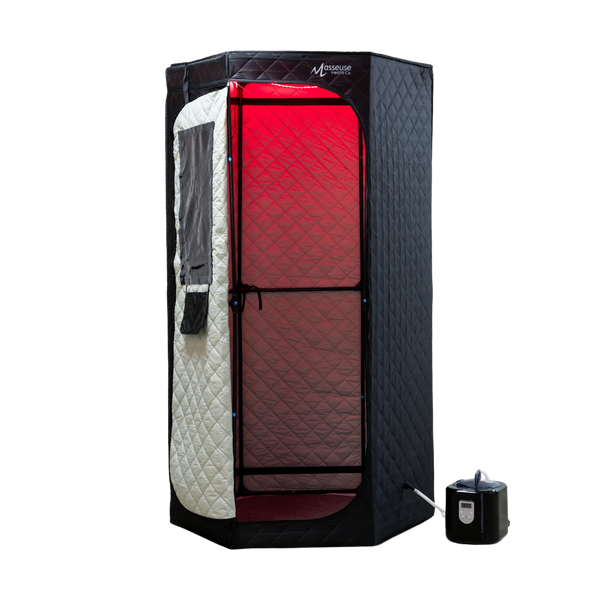
The EverGlow® Infrared is designed for recovery-focused home use, making it a practical option for people who want controlled heat therapy without needing to leave the house.
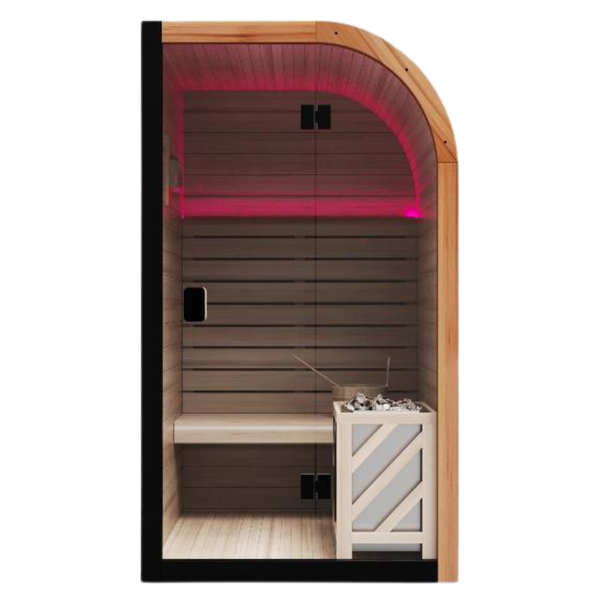
A traditional sauna heats the air around the body, creating a more classic sauna experience. This may appeal to users who enjoy higher ambient heat and a more traditional wellness ritual. The EverGlow® Traditional is suited to those who prefer this style of heat exposure and want to bring that experience into a premium home setting.
Neither option should be described as universally better for sleep. The best sauna is the one you can use safely, comfortably, and consistently.
When Is the Best Time to Use Heat Therapy Before Bed?
For sleep support, timing is one of the most important factors. Many people prefer to use heat therapy around one to two hours before bed. This gives the body time to move through the warming phase, then settle into a cooler, calmer state before sleep.
Session length also matters. A short, controlled session may be more sleep-supportive than pushing too hard. The goal is not to exhaust the body. The goal is to create a relaxing recovery ritual that feels sustainable.
A simple evening heat therapy routine may look like this:
-
Use your sauna or heat therapy method one to two hours before bed.
-
Keep the session comfortable and controlled.
-
Hydrate before and after the session.
-
Allow time for a calm cooldown period.
-
Avoid going straight back into work, emails, intense exercise or bright screens.
This approach helps heat therapy become part of a broader bedtime routine rather than a standalone activity.
How to Build a Heat Therapy Sleep Routine at Home
A home heat therapy routine works best when it is simple enough to repeat. Consistency is what turns a wellness tool into a daily ritual.
Start by choosing a realistic time in the evening. For some people, that may be after dinner. For others, it may be after training or once the house is quiet. Keep the session short at first and pay attention to how your body responds.
After your sauna session, give yourself time to cool down naturally. This might include a lukewarm shower, comfortable clothing, dim lighting, light stretching or quiet breathing. The aim is to extend the relaxation effect rather than rushing back into stimulation.
Hydration should also be part of the routine. Heat therapy encourages sweating, so replacing fluids is important. If you are using your sauna regularly, it is also worth maintaining the unit properly so the experience remains clean, comfortable, and consistent. Masseuse Health Co.’s sauna care guide is a useful resource for keeping your sauna performing well over time.
Safety Tips Before Using Sauna Therapy at Night
Heat therapy should feel controlled, not overwhelming. If you are new to sauna therapy, start gradually and listen to your body. Avoid pushing through dizziness, discomfort, or excessive heat stress.
Speak with a healthcare professional before using sauna therapy if you are pregnant, have cardiovascular concerns, live with a medical condition, take medication that affects heat tolerance, or have been advised to avoid heat exposure.
For safer evening use, keep these basics in mind:
-
Stay hydrated before and after heat therapy.
-
Avoid alcohol before using a sauna.
-
Keep sessions moderate and comfortable.
-
Allow time to cool down before bed.
-
Stop if you feel lightheaded, unwell, or overheated.
Heat therapy should support your recovery, not add stress to the body. A calm, consistent and measured approach is usually more valuable than an intense session.
So, Is Heat Therapy Worth Trying for Better Sleep?
Heat therapy may be worth trying if you want a practical way to support better sleep quality, relaxation, and recovery at home. Research around passive body heating suggests that well-timed warmth before bed may help the body prepare for sleep, especially when followed by a proper cooldown period. Sauna-specific sleep research is still emerging, but the link between heat, relaxation, body temperature regulation, and recovery makes sauna therapy a useful addition to an evening wellness routine.
The most important thing is to treat heat therapy as part of a complete sleep-supportive ritual. It works best alongside good hydration, consistent timing, a calm environment, reduced screen exposure, and a routine that helps the body move from stress to rest.
For those wanting to bring recovery into their everyday lifestyle, saunas offer a premium and convenient way to make heat therapy part of the home. Whether you prefer infrared or traditional heat, Masseuse Health Co. helps make recovery feel less like a task and more like a daily ritual.
Explore our products

Explore Editorial Content


