

The Best Post-Workout Protocol for Faster Muscle Repair and Recovery
Intense workouts are essential for building strength, endurance, and performance. But what happens after your training session is just as important. Every workout creates stress on muscle tissue, leading to inflammation, fatigue, and microscopic damage that needs to be repaired. Without a structured recovery approach, progress slows and performance plateaus. This is why many athletes now prioritise recovery as part of their training system, often incorporating sauna or ice bath to support faster muscle repair and reduce post-workout soreness.
A well-designed post-workout protocol helps the body recover efficiently, rebuild stronger muscle fibres, and prepare for the next session. By combining nutrition, hydration, recovery tools, and rest, you can significantly improve how quickly your body adapts and performs.
Key Takeaways
-
Muscle recovery is essential after intense workouts as it repairs tissue and helps improve strength and performance.
-
A structured routine with hydration, nutrition, and sleep supports faster recovery and reduces soreness.
-
Cold exposure like ice baths, helps control inflammation and speeds up muscle repair after training.
-
Consistent recovery habits allow you to train harder, reduce injury risk, and maintain long term performance.
What Happens to Your Muscles After a Workout?
During exercise, especially resistance training or high-intensity workouts, muscle fibres experience microscopic damage known as microtears. This is a natural and necessary part of muscle growth. However, this damage triggers an inflammatory response, which can lead to swelling, stiffness, and delayed onset muscle soreness (DOMS).
Inflammation is part of the recovery process, but too much of it can slow down muscle repair. This is why managing inflammation effectively is key to faster recovery. Supporting the body during this phase allows muscle tissue to rebuild stronger, improving overall performance over time.
Why a Structured Post-Workout Recovery Protocol Matters
Recovery is not just about resting. It is a process that directly impacts how well your body adapts to training. Athletes who follow structured recovery routines tend to experience:
-
Faster muscle repair and reduced soreness
-
Improved consistency in training performance
-
Lower risk of injury and fatigue
-
Better long-term strength and endurance gains
A clear recovery protocol ensures that your body gets the support it needs at the right time. Instead of relying on random habits, a structured approach helps optimise every stage of muscle repair.
Step 1: Rehydrate and Restore Electrolyte Balance
Hydration plays a critical role in post-workout recovery. During exercise, the body loses fluids and essential electrolytes through sweat. This loss can impact circulation, muscle function, and nutrient delivery.
Rehydrating after a workout helps restore fluid balance and supports recovery processes within the body. Electrolytes such as sodium, potassium, and magnesium are also important for maintaining muscle function and preventing cramping.
Drinking water consistently after training, along with replenishing electrolytes when needed, helps improve circulation and allows nutrients to reach muscle tissue more effectively.
Step 2: Support Muscle Repair with Proper Nutrition
Nutrition is one of the most important components of muscle recovery. After a workout, the body needs nutrients to repair damaged muscle fibres and replenish energy stores.
Protein plays a key role in muscle repair through protein synthesis. Consuming a quality protein source after training helps rebuild muscle tissue and supports growth. At the same time, carbohydrates help replenish glycogen stores, which are depleted during exercise.
Timing also matters. Consuming nutrients within the post-workout window can help accelerate recovery and improve how efficiently the body uses these nutrients.
A balanced approach to nutrition ensures that the body has everything it needs to repair, rebuild, and perform at a higher level.
Step 3: Reduce Inflammation with Cold Exposure
Cold exposure is one of the most effective ways to manage inflammation after intense training. By lowering muscle temperature, cold therapy helps reduce swelling and muscle soreness while supporting recovery.
When the body is exposed to cold water, blood vessels constrict in a process known as vasoconstriction. This helps limit inflammation and reduce tissue swelling. Once the body warms again, circulation improves, delivering oxygen and nutrients to recovering muscles.
Many athletes incorporate ice baths or cold plunges into their recovery routines because of these benefits. Research continues to support the cold therapy benefits for reducing muscle soreness and improving recovery outcomes.
Cold exposure is particularly effective when used shortly after training, helping the body transition from stress to recovery more efficiently.
Step 4: Improve Circulation with Active Recovery
While rest is important, complete inactivity is not always the best approach to recovery. Light movement can help stimulate circulation, allowing the body to deliver oxygen and nutrients to muscle tissue more effectively.
Active recovery may include low-intensity activities such as walking, stretching, or mobility exercises. These movements help reduce stiffness and improve flexibility without placing additional strain on the body.
By supporting circulation, active recovery helps remove metabolic waste and accelerates the repair process. It also keeps the body moving, which can improve overall recovery efficiency.
Step 5: Prioritise Sleep for Muscle Repair
Sleep is one of the most powerful recovery tools available. During deep sleep, the body releases growth hormone, which plays a critical role in muscle repair and recovery.
The nervous system also resets during sleep, allowing the body to recover from physical and mental stress. Poor sleep can disrupt this process, leading to slower recovery, increased fatigue, and reduced performance.
Athletes who prioritise high-quality sleep often experience better recovery outcomes. Consistent sleep patterns, a comfortable environment, and proper recovery routines can all contribute to improved sleep quality.
Step 6: Use Recovery Tools to Optimise Results
Recovery tools can enhance the body’s natural repair process by targeting specific aspects of recovery such as inflammation, circulation, and relaxation.
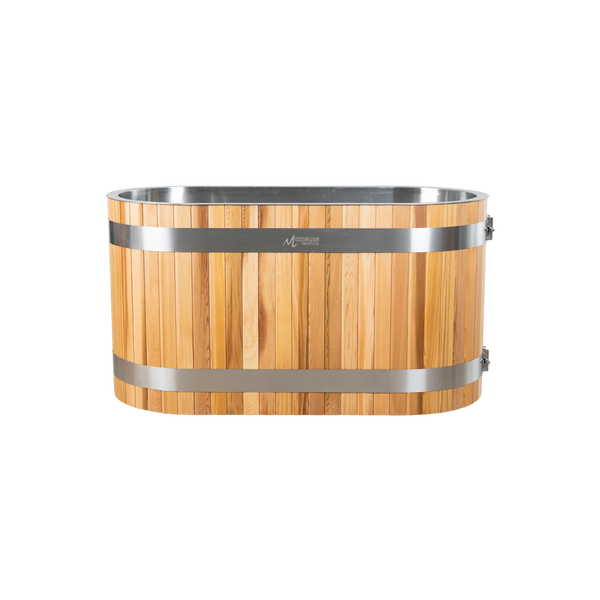
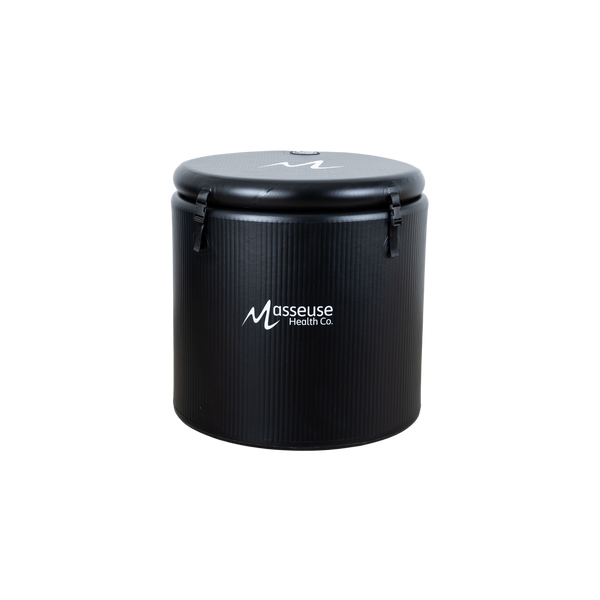
Cold therapy tools like the Niseko Ice Bath provide a consistent way to incorporate cold exposure into your routine. These systems make it easier to maintain optimal temperature and frequency, helping athletes recover more effectively.
Heat therapy can also complement recovery. Using a traditional steam sauna supports circulation, relaxation, and muscle recovery. Many athletes alternate between hot and cold therapy to create a balanced recovery system.
If you are interested in the benefits of heat-based recovery, these sauna recovery benefits explain how heat exposure supports muscle repair and relaxation.
Common Mistakes That Slow Down Muscle Recovery
Even with the best intentions, certain habits can delay recovery and limit progress. Avoiding these common mistakes can make a significant difference in how quickly your body recovers.
-
Skipping hydration after workouts
-
Not consuming enough protein for muscle repair
-
Ignoring sleep and recovery time
-
Overtraining without proper rest
-
Inconsistent recovery routines
Addressing these factors helps create a more effective and sustainable recovery process.
Build Your Own Post-Workout Recovery Routine
Creating a simple and consistent recovery routine can help you maximise the benefits of your training. The key is to combine different recovery strategies into a structured system.
A practical approach includes:
-
Rehydrating immediately after training
-
Refuelling with protein and carbohydrates
-
Using cold exposure to manage inflammation
-
Incorporating light movement for circulation
-
Prioritising quality sleep each night
By following a repeatable routine, you can improve recovery efficiency and maintain consistent performance over time.
Optimise Your Recovery to Train Harder and Perform Better
Recovery is where progress happens. Every training session creates the stimulus for growth, but it is during recovery that the body repairs, adapts, and becomes stronger. Athletes who take recovery seriously can train harder, recover faster, and perform at a higher level.
Combining hydration, nutrition, sleep, and recovery tools creates a complete system that supports muscle repair and long-term performance. Cold exposure, in particular, plays a key role in managing inflammation and accelerating recovery after intense workouts.
Incorporating tools like an ice bath and sauna into your routine provides a reliable way to support recovery and maintain consistency. With the right protocol in place, you can reduce downtime, improve performance, and get more out of every training session.
Explore our products

Explore Editorial Content


