

How Recovery Tools Help Athletes Prevent Overtraining Effectively
Athletes often focus on training harder, but progress depends just as much on how well the body recovers. When training load, stress, and fatigue build faster than the body can adapt, performance can stall, and the risk of overtraining increases. That is where recovery tools such as an ice bath and sauna can play a valuable role.
Used correctly, recovery tools help athletes create structure around rest, muscle recovery, fatigue management, and performance readiness. They are not shortcuts that replace sleep, nutrition, hydration, or smart programming. Instead, they help make recovery more intentional, more consistent, and easier to integrate into a modern training routine.
Key Takeaways
-
Recovery is an essential part of training because the body needs time to repair and adapt after hard sessions.
-
Ice baths can help reduce soreness and support readiness after intense training or competition.
-
Saunas support relaxation, circulation and nervous system recovery on rest days or after lighter sessions.
-
A strong recovery routine combines tools like cold therapy and heat therapy with sleep, nutrition and smart training plans.
What Is Overtraining and Why Does It Happen?
Overtraining happens when training stress repeatedly exceeds the body’s ability to recover. This can occur when an athlete trains too hard, too often, or for too long without enough rest, fuel, sleep, or recovery support.
Short-term fatigue after a demanding session is normal. Temporary overreaching can also be part of a structured training plan when managed carefully. The issue begins when fatigue becomes persistent, performance declines, and the body no longer has enough time or resources to adapt.
Overtraining is not only physical. Psychological load, competition pressure, poor sleep, work stress, low energy availability, and life demands can all reduce recovery capacity. An athlete may be following a strong training plan on paper, but if the body is not recovering between sessions, progress can quickly turn into strain.
This is why recovery needs to be treated as part of performance, not an afterthought.
Why Recovery Is Part of Training, Not Separate From It
Training creates stress. Recovery is where adaptation happens.
Every hard session creates a demand on the muscles, nervous system, joints, connective tissue, and energy systems. The body then needs time to repair, restore, and come back stronger. Without that recovery window, athletes may keep adding stress without gaining the benefit of the work.
Rest days, deload weeks, sleep, nutrition, mobility, hydration, and recovery tools all support this process. Together, they help athletes maintain consistency and reduce the risk of burnout, injury, and long-term performance decline.
This is especially important for athletes who train multiple times per week or balance sport with work, study, travel, family, and everyday stress. Recovery tools can help by creating a repeatable routine that reminds the body to reset between sessions.
The goal is not to recover just enough to train harder the next day. The goal is to build a sustainable system that supports long-term performance.
How Recovery Tools Help Athletes Manage Fatigue
Recovery tools help athletes manage fatigue by making recovery more deliberate. Instead of waiting until soreness, stress, or poor sleep becomes a problem, athletes can use tools proactively to support the body between training blocks.
Cold therapy, heat therapy, sauna sessions, contrast therapy, mobility tools, compression, massage guns, and foam rolling can all have a place in an athlete's recovery routine. The right tool depends on the athlete’s training phase, goals, soreness level, session timing, and personal response.
Recovery tools may help athletes:
-
Reduce perceived muscle soreness after demanding sessions
-
Support relaxation and nervous system downshifting
-
Create consistent post-training and rest day routines
-
Improve awareness of fatigue, readiness, and recovery needs
The biggest benefit is consistency. A recovery routine that is easy to repeat is more useful than a complex plan that only happens once in a while.
Cold Therapy and Ice Baths for Post-Training Recovery
Cold therapy is one of the most popular recovery tools for athletes. It is commonly used after high-intensity training, heavy gym sessions, endurance events, contact sports, and back-to-back competition days.
Cold water immersion may help reduce perceived soreness and support short-term recovery after strenuous exercise. For athletes who need to feel ready again quickly, an ice bath can be a practical way to manage post-session fatigue and create a clear recovery ritual.
Cold therapy is especially useful when the priority is to reduce soreness and support readiness for the next session. However, timing matters. Some athletes may choose to avoid cold exposure immediately after certain strength or hypertrophy sessions if their main goal is muscle growth adaptation. In those cases, cold therapy may be better used after competitions, conditioning sessions, or particularly demanding training blocks.
For a deeper look at the role of cold therapy for athletes, it helps to think of cold exposure as one tool within a broader recovery system, not a complete solution on its own.
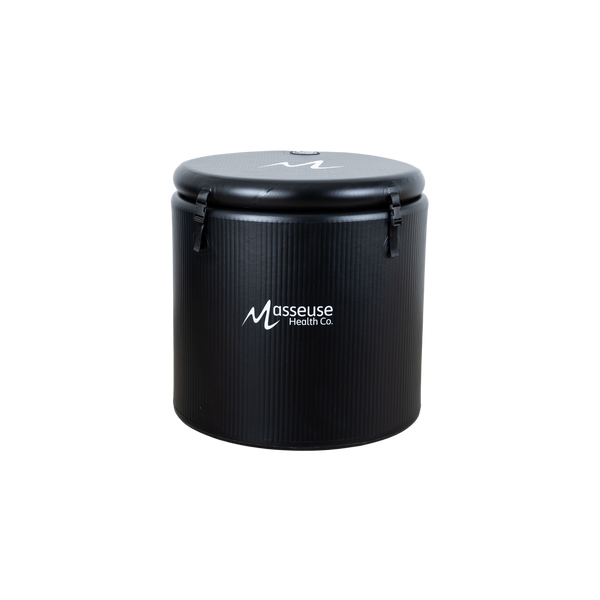
For home recovery, the Plunge Ice Bath gives athletes a convenient way to build cold therapy into their weekly routine without relying on bags of ice, gym access, or recovery centres.
Heat Therapy and Saunas for Relaxation and Recovery
While cold therapy is often used after intense training, heat therapy can be valuable for relaxation, circulation, and nervous system recovery. Sauna sessions can help athletes shift out of a high-stress state and into a calmer recovery mode.
Heat exposure may support muscle relaxation, general circulation, and a sense of physical ease after training or on rest days. It can also fit well into evening recovery routines, especially for athletes who struggle to wind down after late sessions or busy days.
The benefits of heat therapy are not only physical. A calm sauna session creates space to slow down, breathe, and mentally separate training stress from recovery time. For athletes who are constantly chasing the next session, that mental reset can be just as important as the physical effect.
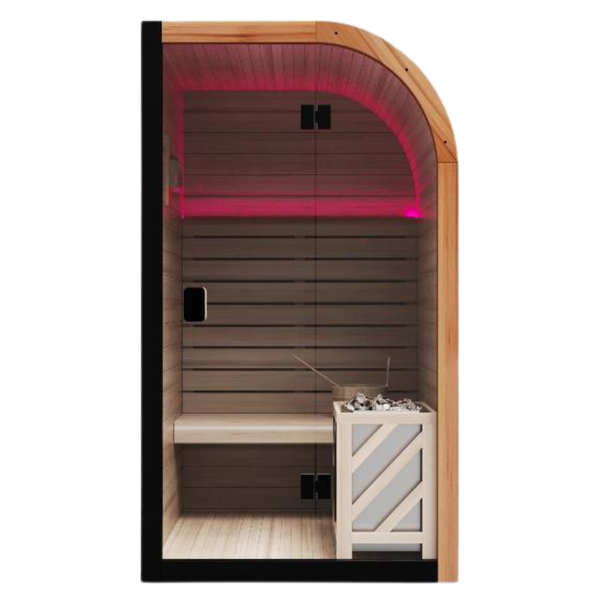
Masseuse Health Co.’s guide to sauna recovery benefits explores how sauna use can support recovery, relaxation, and overall wellbeing. For those wanting a premium at-home option, the EverGlow® Infrared offers a controlled heat therapy experience designed for modern recovery routines.
Contrast Therapy: Combining Hot and Cold Recovery
Contrast therapy combines heat and cold exposure in a structured sequence. For athletes, this can create a powerful recovery ritual that feels both restorative and energising.
The basic idea is to alternate between hot and cold conditions, such as moving from a sauna to cold water immersion. The shift in temperature can create a strong sensory reset and may support circulation, relaxation, and perceived recovery.
Contrast therapy is popular with athletes because it turns recovery into a clear protocol. Rather than randomly using tools when soreness appears, it gives structure to the process. This can be useful after heavy training weeks, demanding events, or periods where the body feels overloaded.
The key is to keep the routine controlled. More is not always better. The best contrast therapy routine is one that feels repeatable, fits the athlete’s training goals, and does not add unnecessary stress to the body.
The Role of Sleep, Nutrition and Hydration
Recovery tools work best when the foundations are already in place. No ice bath, sauna, or recovery device can fully compensate for poor sleep, under-fuelling, dehydration, or excessive training load.
Sleep supports muscle repair, cognitive function, energy, mood, coordination, and readiness. Nutrition provides the building blocks for adaptation, including protein for muscle repair and carbohydrates for replenishing energy. Hydration supports temperature regulation, circulation, performance, and safe use of heat or cold exposure.
Athletes should also pay attention to rest days and deload weeks. These are not signs of weakness. They are strategic tools that allow the body to absorb training stress and return stronger.
When recovery foundations are ignored, tools become damage control. When foundations are respected, tools become performance support.
How to Build an Athlete Recovery Routine at Home
A good recovery routine should match the athlete’s training load, schedule, goals, and lifestyle. It should also be simple enough to maintain consistently.
A practical home recovery routine may include:
-
Tracking training load, soreness, mood, sleep, and readiness
-
Using cold therapy after demanding sessions, competitions, or back-to-back training days
-
Using sauna therapy on rest days, evenings, or after lower-intensity sessions
-
Using contrast therapy when a structured hot and cold recovery ritual suits the training phase
-
Refuelling, hydrating, and allowing enough time for rest between sessions
-
Scheduling deloads before fatigue becomes unmanageable
The value of home recovery tools is convenience. When athletes can access recovery equipment at home, they are more likely to use it consistently. This turns recovery from an occasional luxury into a repeatable part of training.
Signs Your Recovery Routine Needs Adjusting
Athletes are often good at pushing through discomfort, but ignoring warning signs can lead to bigger problems. If the body is not responding well to training, the recovery routine may need to change.
Common signs include:
-
Ongoing fatigue that does not improve with rest
-
Declining performance despite consistent training
-
Poor sleep, low mood, or reduced motivation
-
Increased soreness, niggles, or injury risk
-
Elevated resting heart rate or reduced readiness
-
Frequent illness or feeling run down
These signs do not always mean an athlete has overtraining syndrome, but they do suggest that training load and recovery capacity may be out of balance. If symptoms persist, athletes should speak with a qualified coach, physiotherapist, sports doctor, or health professional.
Recovery tools can support the process, but they should be used alongside smart training decisions.
Recover Smarter, Train Stronger
Preventing overtraining is not about doing less. It is about training with enough structure, awareness, and recovery support to keep progressing over time.
An ice bath can help athletes build a cold therapy routine for post-training recovery, soreness management, and performance readiness. A sauna can support relaxation, heat therapy, and a calmer recovery rhythm on rest days or in the evening. Together, they can form part of a premium home recovery system that helps athletes recover more intentionally.
The strongest athletes are not just the ones who train hard. They are the ones who know when to recover, when to reset, and how to give the body what it needs to adapt.
With the right recovery tools, smarter routines, and respect for the fundamentals, athletes can train with more consistency, reduce the risk of overtraining, and build performance that lasts.
Explore our products

Explore Editorial Content


