

How Athletes Reduce Inflammation Naturally Using Cold Exposure
Intense training pushes the body to its limits. While exercise strengthens muscles and improves performance, it also creates inflammation, swelling, and muscle soreness that can slow recovery. To manage this, many athletes turn to cold exposure as part of their recovery routine. Techniques like ice baths and cold water immersion help reduce inflammation and support faster muscle repair. Many athletes now incorporate ice bath recovery into their training programs to maintain consistent performance and manage post-workout fatigue naturally.
Cold exposure has become one of the most widely used recovery strategies in sports science. From professional athletes to everyday fitness enthusiasts, cold therapy can help regulate inflammation, improve circulation, and accelerate recovery after intense exercise.
Key Takeaways
-
Cold exposure helps athletes manage inflammation and muscle soreness after intense training.
-
Ice baths support recovery by improving circulation and helping muscles repair faster.
-
Regular cold water immersion can reduce delayed onset muscle soreness and improve training consistency.
-
Cold therapy has become a widely used recovery method for athletes who want natural performance support.
What Is Cold Exposure?
Cold exposure refers to the practice of exposing the body to cold temperatures to stimulate recovery and physiological adaptation. In athletic recovery, this typically involves immersing the body in cold water for a controlled period of time.
Common forms of cold exposure include:
-
Ice baths
-
Cold plunges
-
Cold water immersion (CWI)
-
Whole-body cryotherapy
Among these methods, ice baths and cold plunges are the most practical for athletes who want a reliable recovery routine at home.
When the body enters cold water, it triggers a series of physiological responses. Blood vessels constrict, circulation patterns change, and the nervous system activates protective responses. These changes help reduce inflammation and support the body’s natural repair process.
Many athletes rely on these methods because the science behind cold therapy continues to show measurable recovery benefits. If you want a deeper explanation of how this works, this guide on cold therapy benefits explores the physiological effects in more detail.
Why Inflammation Happens After Intense Exercise
Inflammation is a natural response to physical stress. During intense workouts or competition, muscle fibers experience microscopic damage. This is a normal part of the training process that ultimately leads to stronger muscles.
However, the body responds to this damage by triggering an inflammatory response. Immune cells move to the affected area, which can lead to swelling, soreness, and stiffness.
One of the most common outcomes of this process is delayed onset muscle soreness, often called DOMS. This typically appears 12 to 48 hours after exercise and can make it difficult for athletes to train at full intensity.
Inflammation is necessary for muscle repair, but excessive inflammation can slow recovery. That is why many athletes use targeted recovery strategies such as cold exposure to help regulate the inflammatory process.
The Science Behind Cold Exposure and Inflammation
Cold exposure works by influencing blood flow, circulation, and the body’s inflammatory response.
When the body is immersed in cold water, blood vessels constrict in a process known as vasoconstriction. This temporarily reduces blood flow to muscles and tissues, which helps limit swelling and inflammation.
After leaving the cold water, the body warms again and blood vessels dilate. This process, called vasodilation, increases circulation and helps deliver oxygen and nutrients to recovering muscles.
This cycle of constriction and dilation helps remove metabolic waste and supports muscle repair. Sports medicine professionals often use cold water immersion because it can help regulate inflammatory cytokines and reduce tissue inflammation after intense exercise.
These physiological responses are why cold exposure has become a core part of many modern recovery protocols used in professional sports.
How Cold Water Immersion Supports Athletic Recovery
Cold water immersion provides several recovery advantages for athletes. It helps regulate inflammation while also supporting the nervous system and circulatory system.
Athletes often use cold exposure immediately after training sessions or competition to accelerate recovery and prepare for the next workout.
Key recovery benefits include:
-
Reduced muscle soreness after intense exercise
-
Improved circulation during recovery
-
Lower tissue inflammation and swelling
-
Faster muscle repair after training stress
-
Activation of the parasympathetic nervous system
Cold exposure also supports mental resilience. Many athletes report increased mental clarity and improved focus after cold immersion sessions.
Because of these combined benefits, cold plunges are now widely used across sports including football, endurance sports, strength training, and combat sports.
Benefits of Cold Exposure for Athletes
Cold exposure offers several performance and recovery benefits when used consistently as part of a training routine.
Reduced muscle inflammation
Cold temperatures help regulate the inflammatory response that occurs after intense workouts.
Faster recovery between sessions
By improving circulation and reducing swelling, cold therapy can help athletes recover faster and maintain training intensity.
Reduced delayed onset muscle soreness (DOMS)
Cold immersion helps reduce the severity of post-workout soreness.
Improved circulation and metabolic recovery
The vasoconstriction and vasodilation cycle helps flush metabolic waste from muscle tissue.
Enhanced mental resilience
Cold exposure stimulates the nervous system and helps improve mental toughness.
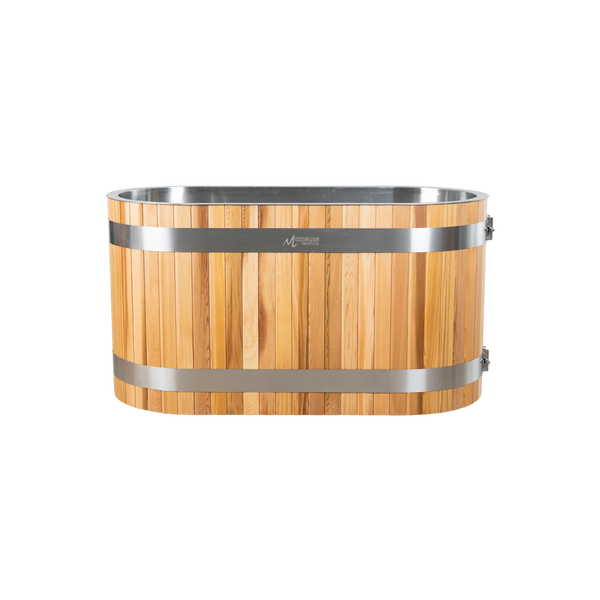
Because of these benefits, many athletes now include dedicated cold plunge systems in their training environments. For those looking to build a recovery routine at home, the Plunge Ice Bath provides a convenient way to integrate cold exposure into daily recovery practices.
How Athletes Use Ice Baths in Their Recovery Routine
Professional athletes often follow structured protocols when using ice baths. These protocols are designed to balance recovery benefits while avoiding excessive cold exposure.
Typical ice bath guidelines include:
-
Temperature: 10–15°C
-
Duration: 5–10 minutes
-
Timing: immediately after intense workouts or competition
Athletes may repeat cold exposure sessions several times per week, depending on their training schedule.
Some athletes also alternate cold exposure with heat therapy to create contrast therapy. This method encourages circulation while still benefiting from cold-induced inflammation control.
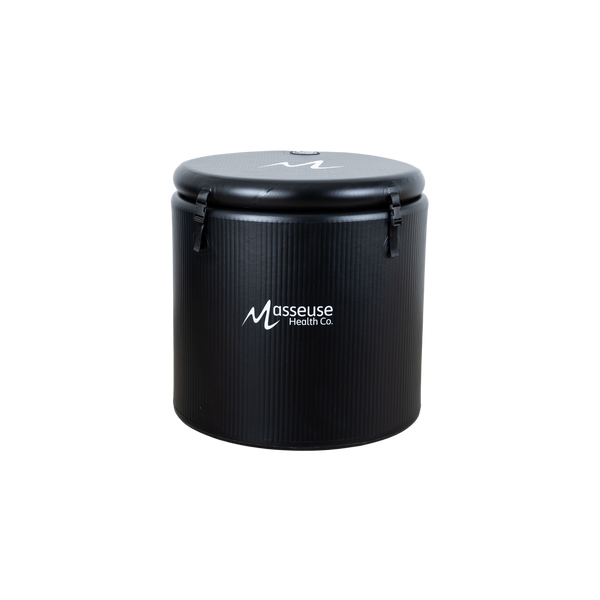
Recovery tools designed specifically for athletes make it easier to maintain consistency. For example, the Niseko Ice Bath provides a practical setup for athletes who want to incorporate cold water immersion into their regular recovery routine.
Cold Exposure vs Other Recovery Methods
Cold exposure is only one part of a well-rounded recovery strategy. Athletes often combine multiple recovery techniques to support muscle repair and maintain long-term performance.
Common recovery methods include:
-
Stretching and mobility training
-
Massage therapy
-
Compression therapy
-
Heat therapy and sauna sessions
-
Active recovery exercises
Cold therapy stands out for directly targeting inflammation and swelling after intense training. This makes it particularly useful for athletes who train frequently or compete at high intensity.
Sports medicine professionals often recommend combining cold exposure with other recovery techniques to support both physical recovery and nervous system balance.
Best Practices for Safe Cold Exposure
Cold exposure should always be approached carefully, especially for those who are new to cold therapy. Gradual adaptation allows the body to adjust safely to colder temperatures.
Best practices include:
-
Start with shorter immersion times of two to three minutes
-
Gradually increase exposure duration as tolerance improves
-
Maintain safe water temperatures between 10–15°C
-
Focus on consistent sessions rather than extreme cold exposure
-
Allow the body to warm naturally after each session
Athletes who follow these guidelines can safely integrate cold exposure into their recovery routines and maximize the benefits without unnecessary stress.
Experience the Benefits of Cold Exposure for Athletic Recovery
Cold exposure has become one of the most effective natural recovery tools used by athletes today. By helping regulate inflammation, improve circulation, and reduce muscle soreness, cold water immersion supports faster recovery and consistent performance.
As training intensity increases, recovery becomes just as important as the workout itself. Many athletes now build structured recovery routines that include cold plunges or ice baths as a reliable way to manage post-workout inflammation.
For athletes who want a convenient way to incorporate this practice at home, structured ice bath recovery systems provide an accessible way to maintain consistent recovery habits and support long-term athletic performance.
Explore our products

Explore Editorial Content


