

How to Prep Your Body for Ice Bath Immersion (Beginner to Advanced)
Ice bath immersion has become a powerful recovery and wellbeing tool, used by athletes and everyday individuals alike to support physical recovery, mental resilience, and overall health. While the benefits of cold exposure are well documented, jumping straight into an ice bath without preparation can be uncomfortable, ineffective, or even unsafe.
Preparing your body properly allows you to experience cold exposure in a controlled and sustainable way. From managing the initial shock to building tolerance over time, preparation plays a key role in how your body responds. If you are new to cold immersion or looking to refine your routine, understanding the ice bath basics is the first step toward safe and effective practice.
This guide walks through how to prepare your body for ice bath immersion, progressing from beginner to advanced approaches while prioritising safety, consistency, and long-term wellbeing.
Key Takeaways
-
Ice bath preparation helps manage the cold shock response and makes cold exposure safer and more effective.
-
Beginners should start with short sessions at moderate temperatures and focus on breathing and consistency.
-
Gradual progression builds tolerance and supports recovery without placing unnecessary stress on the body.
-
Long term benefits come from a sustainable routine that fits your lifestyle and prioritises safety and wellbeing.
Understanding How Ice Baths Affect the Body
When you enter cold water, your body experiences an immediate stress response. Blood vessels constrict, breathing becomes shallow, and your nervous system shifts into a heightened state. This reaction is known as the cold shock response and is completely normal.
With regular, controlled exposure, the body adapts. Circulation improves, inflammation may be reduced, and the nervous system becomes better regulated. Over time, cold immersion can support muscle recovery, mental clarity, and stress resilience. These responses form the foundation of many well-documented cold therapy benefits.
Preparation allows you to move through this process calmly rather than reactively, helping the body shift from stress to recovery more efficiently.
Safety First: Who Should Be Cautious with Ice Baths
Ice baths are not suitable for everyone. Certain medical conditions can increase risk during cold exposure, particularly when immersion is sudden or prolonged.
If you have a heart condition, circulatory issues, uncontrolled high blood pressure, or a history of fainting, it is important to consult a healthcare professional before starting ice baths. Dizziness, numbness, chest discomfort, or confusion during immersion are signs to stop immediately.
Cold exposure should always feel challenging but controlled. The goal is adaptation, not endurance at all costs.
Preparing Your Body Before an Ice Bath
Preparation starts before you ever step into the water. Small adjustments can significantly improve comfort and effectiveness.
Focus on hydration, light movement, and mental readiness. Gentle mobility work raises body temperature slightly and prepares joints and muscles for the cold. Mentally, entering the bath with a calm and focused mindset helps reduce the initial shock response.
Avoid ice baths when you are extremely fatigued, under-fuelled, or unwell, as your body may struggle to regulate its response.
Breathing Techniques to Control the Cold Response
Breathing is one of the most powerful tools for managing cold exposure. Uncontrolled breathing intensifies stress, while steady breathing helps regulate the nervous system.
During immersion, focus on slow nasal breathing or controlled exhales. This encourages a parasympathetic response, allowing the body to relax into the cold rather than fight it. Over time, improved breath control makes longer or colder sessions feel more manageable.
Ice Bath Prep for Beginners
If you are new to ice baths, start conservatively. The goal is consistency, not extremes. Beginners benefit most from shorter exposures at moderate temperatures, allowing the body to adapt gradually.
Key beginner principles include:
-
Start with cool water rather than freezing temperatures
-
Limit immersion to short durations
-
Focus on calm breathing and posture
-
Exit the bath feeling refreshed, not drained
Building tolerance slowly reduces the risk of negative experiences and supports long-term adherence.
Progressing to Intermediate Ice Bath Exposure
Once your body becomes familiar with cold exposure, you can begin to adjust duration and temperature. Progression should be gradual and intentional.
Intermediate users often incorporate ice baths into post-training recovery or evening wind-down routines. At this stage, awareness becomes important. Notice how your body responds during and after immersion, including energy levels, sleep quality, and muscle soreness.
Consistency matters more than frequency. Two to four well-timed sessions per week are often more effective than daily exposure without adequate recovery.
Advanced Ice Bath Preparation and Protocols
Advanced ice bath users focus on refining control rather than pushing limits. Lower temperatures and longer immersion times require strong breath control and mental focus.
This level of practice is often seen in experienced athletes and individuals who have built tolerance over time. Stories of endurance athletes using cold exposure as part of their routine, such as those highlighted in advanced ice bathing, demonstrate the importance of patience and progression.
Advanced protocols should always be balanced with adequate recovery and should never compromise overall wellbeing.
Combining Ice Baths with Heat and Recovery Practices
Cold exposure does not need to exist in isolation. Many people combine ice baths with heat therapy, mobility work, or breath-focused recovery sessions.
Contrast therapy, which alternates between cold and heat, may support circulation and relaxation when used thoughtfully. The key is to understand your goals. Cold exposure is typically energising, while heat promotes relaxation. Timing matters, especially when considering sleep and training schedules.
Creating a Sustainable Ice Bath Routine
Long-term benefits come from consistency rather than intensity. Ice baths work best when integrated into a broader lifestyle that includes movement, recovery, and rest.
To build a sustainable routine, consider:
-
Scheduling ice baths around training or high-stress days
-
Keeping sessions predictable and manageable
-
Adjusting frequency based on how your body feels
A routine that fits your lifestyle is more effective than one that feels forced.
Preparing for Ice Baths at Home
Home ice bath setups allow flexibility and consistency. Whether you use ice, chilled water, or a dedicated system, preparation and maintenance are essential.
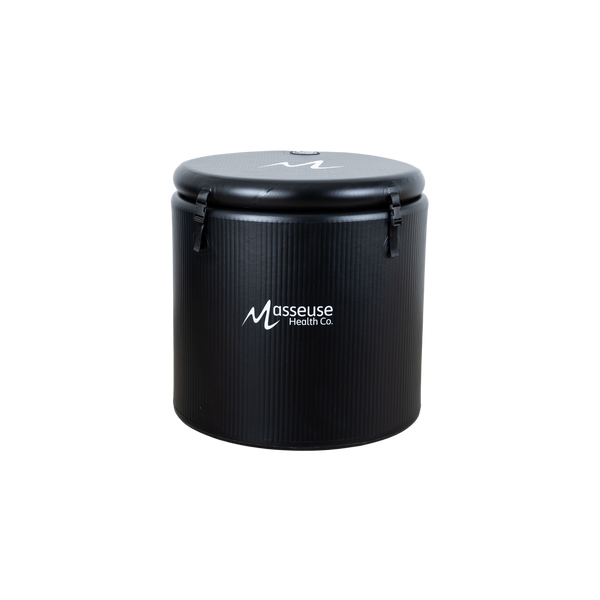
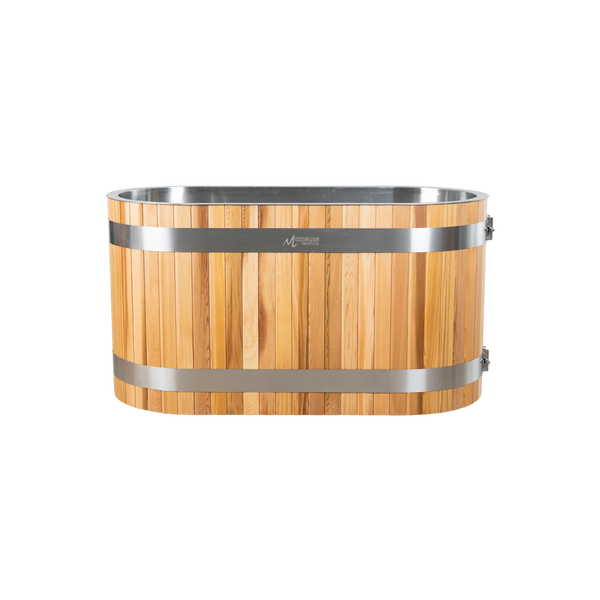
Investing in quality equipment can improve the experience and safety of cold immersion. Options such as the plunge ice bath are designed for temperature control, comfort, and durability, making regular use more accessible.
Equally important is ongoing care. Proper cleaning and water management support hygiene and longevity, which is covered in detail in this guide to ice bath maintenance.
Building Confidence with Cold Exposure Over Time
Confidence with ice baths develops gradually. Each session builds familiarity, both physically and mentally. Over time, the initial discomfort becomes easier to manage, and the recovery benefits become more noticeable.
Progress is not linear. Some days will feel harder than others, and that is normal. Listening to your body and adjusting your approach ensures cold exposure remains a supportive practice rather than a source of stress.
Returning to the ice bath basics helps reinforce safe foundations as your practice evolves, whether you are just starting out or refining an advanced routine.
Explore our products

Explore Editorial Content


