

Cold Therapy Mistakes You Should Avoid (Beginner’s Guide)
Cold therapy has become a powerful part of modern recovery, with more people using an ice bath to support muscle recovery, mental resilience, stress management, and daily wellbeing. But while cold water immersion can be highly rewarding, it is not something beginners should approach recklessly. The goal is not to suffer through the cold or push the body to extremes. The goal is to build a calm, controlled, and repeatable recovery ritual.
For first-time users, the most common cold therapy mistakes usually come from doing too much too soon. Going too cold, staying in too long, ignoring breath control, or skipping recovery basics can turn a useful wellness tool into an uncomfortable and potentially unsafe experience.
This beginner’s guide explains the cold therapy mistakes to avoid, so you can build a smarter routine from the start.
Key Takeaways
-
Cold therapy works best when beginners start gradually instead of chasing extreme temperatures or long sessions.
-
Breath control helps you stay calm and makes each ice bath feel more controlled and effective.
-
Timing, hydration, and gradual rewarming are important for making cold therapy safer and more useful.
-
A consistent routine with the right ice bath setup can turn cold therapy into a sustainable recovery ritual.
Why Cold Therapy Needs a Smarter Start
Cold therapy is best understood as controlled cold exposure. It is not a shock challenge, a test of toughness, or a competition to see who can stay in the cold the longest. When used properly, cold water immersion can become a structured recovery habit that helps you reset after training, manage discomfort, and create a stronger connection between body and mind.
For beginners, the smartest approach is gradual. Your body needs time to adapt to cold exposure. The first few sessions should be about learning how you respond, how your breathing changes, and how long you can stay calm and controlled.
This is where many beginners go wrong. They see experienced users sitting in icy water for several minutes and assume that is where they need to start. In reality, a beginner-friendly cold therapy routine should focus on short sessions, manageable temperatures, and consistency over intensity.
Before starting cold therapy, it is also important to consider your health. If you have heart concerns, blood pressure issues, a fainting history, circulation problems, pregnancy, or any medical condition, speak with a healthcare professional before using an ice bath or cold plunge.
Mistake 1: Starting Too Cold, Too Soon
One of the biggest cold therapy mistakes is believing that colder is always better. Beginners often think the water needs to be painfully cold to be effective, but extreme temperatures are not necessary when you are just starting.
Cold exposure already places stress on the body. When the water is too cold too soon, the initial cold shock response can feel overwhelming. Breathing may become fast and shallow, the body may tense up, and the session can quickly shift from controlled recovery to panic.
A smarter approach is to start with a manageable temperature and progress gradually. The right starting point will vary from person to person, but the session should feel challenging while still allowing you to stay calm and in control.
This is also why proper ice bath preparation matters. Preparing your body and mindset before entering the water can help make the experience smoother, especially during the first few sessions.
If you are building a home routine, temperature control can make a major difference. A premium setup allows you to create a more measured experience instead of guessing with bags of ice and inconsistent water temperatures.
Mistake 2: Staying in the Ice Bath Too Long
Another common mistake is staying in the ice bath for too long. Many beginners assume that a longer session means better results, but cold therapy does not work that way.
Longer exposure can increase discomfort and may raise safety risks, especially for people who are new to cold water immersion. The body can only handle so much cold stress before the session becomes counterproductive. Shivering, numbness, dizziness, confusion, or feeling unwell are signs that it is time to exit.
For beginners, short sessions are often the best place to start. A controlled one- or two-minute session can be far more useful than forcing a long session with poor breathing and unnecessary distress.
Cold therapy should leave you feeling alert, clear, and recovered, not drained or unsafe. As your body adapts, you may gradually increase exposure, but there is no need to rush the process.
The better mindset is simple: consistency beats duration. A short, calm session repeated regularly is more valuable than one extreme session that makes you avoid the cold for weeks.
Mistake 3: Ignoring Breath Control
The first few seconds of cold exposure are often the most intense. When your body enters cold water, your breathing may naturally speed up. This is part of the cold shock response, and it is one reason many beginners feel like they want to get out immediately.
Ignoring breath control can make the experience harder. If you enter the water while tense, rushed, or distracted, your nervous system may respond with panic. That can make the cold feel more intense than it needs to be.
Before stepping into the ice bath, take a moment to slow your breathing. Once in the water, focus on steady, controlled breaths. You do not need an advanced breathing technique. The key is to avoid gasping and bring your attention back to calm, consistent breathing.
Breath control helps shift the session from reactive to intentional. It gives you something to focus on and helps train your body to stay composed under controlled stress.
For many users, this becomes one of the biggest mental benefits of cold therapy. You learn to stay calm in discomfort, instead of letting the discomfort control the session.
Mistake 4: Treating Cold Therapy as a Challenge
Cold therapy has become popular on social media, but that has also created a problem. Too many beginners approach ice baths like a challenge instead of a recovery tool.
Cold therapy is not about proving toughness. It is not about staying in longer than someone else, hitting the lowest possible temperature, or forcing the body through distress. That mindset can lead to overconfidence, poor judgement, and unsafe habits.
The better approach is recovery-focused. Every session should have a purpose. Are you using cold therapy after training? Are you trying to support mental clarity? Are you building a morning reset? Are you creating a consistent daily recovery routine?
When you know why you are doing it, you are less likely to chase extremes.
Masseuse Health Co.’s approach to recovery is built around premium, intentional wellness tools for modern living. Cold therapy should feel like part of a well-designed routine, not a punishment you have to endure.
Mistake 5: Using Cold Therapy at the Wrong Time
Cold therapy timing matters. While cold water immersion can be useful after training, soreness, or a high-stress day, beginners should still think about when and why they are using it.
For endurance athletes or people dealing with general post-workout soreness, an ice bath may feel like a useful recovery reset. It can help the body cool down, create a sense of freshness, and support a more structured recovery rhythm.
For strength-focused users, timing may require more thought. Some people avoid immediate cold exposure straight after certain strength or hypertrophy sessions if their main goal is muscle growth. This is because recovery timing can influence how the body adapts to training.
That does not mean strength athletes need to avoid cold therapy completely. It simply means they should align cold exposure with their training goals. For example, they may choose to use cold therapy later in the day, on rest days, or after sessions where recovery and soreness management are the priority.
Cold therapy works best when it supports your lifestyle, not when it interrupts your training goals.
Mistake 6: Skipping Hydration and Rewarming
Cold therapy does not begin and end with the session itself. Preparation and aftercare matter.
Hydration is important before and after cold exposure. If you are dehydrated, tired, or under-fuelled, the cold may feel more difficult to manage. You do not need to overcomplicate it, but drinking water and paying attention to how your body feels can support a safer and more comfortable routine.
Rewarming is also important. After exiting the ice bath, give your body time to return to a comfortable temperature. Dry off, change into warm clothing, and allow yourself to warm up gradually. Some experienced users combine cold therapy with heat therapy, but beginners should be careful about rushing straight into extreme heat too soon.
Controlled rewarming helps the body transition out of the cold. It also gives you time to assess how the session felt and whether the temperature, duration, or timing needs adjusting next time.
This is where a clean, well-managed setup also matters. Regular ice bath maintenance helps ensure your recovery space remains hygienic, practical, and enjoyable to use over time.
Mistake 7: Ignoring Health and Safety Signals
Cold therapy is not suitable for everyone without proper guidance. This is one of the most important beginner mistakes to avoid.
Cold water immersion can place stress on the cardiovascular system. It can affect breathing, heart rate, and blood pressure, especially during the initial entry. For healthy users, this may be manageable with a gradual and controlled approach. For people with certain health conditions, it may require medical clearance first.
You should stop a cold therapy session if you experience chest pain, severe dizziness, confusion, excessive numbness, distress, or anything that feels unsafe. You should also avoid using an ice bath alone when you are new to cold exposure.
A beginner routine should feel challenging but controlled. If you are panicking, losing awareness, or pushing through warning signs, the session has gone too far.
The best cold therapy routine is one that respects your body. Learning when to stop is just as important as learning how to start.
How Beginners Can Build a Better Cold Therapy Routine
A good beginner cold therapy routine is simple, measured, and repeatable. You do not need to start with extreme temperatures or long sessions. You need a routine that helps you feel confident enough to come back consistently.
Use these beginner-friendly principles:
-
Start with short sessions and increase gradually as your tolerance improves.
-
Choose a manageable water temperature before progressing to colder.
-
Focus on slow, controlled breathing before and during the session.
-
Exit early if you feel dizzy, numb, confused, or overly distressed.
-
Hydrate before and after cold exposure.
-
Rewarm gradually and track how your body responds.
-
Match your cold therapy timing to your training and recovery goals.
It can also help to learn more about the broader cold therapy benefits before building your routine. Understanding why you are using cold exposure can help you stay consistent without chasing extremes.
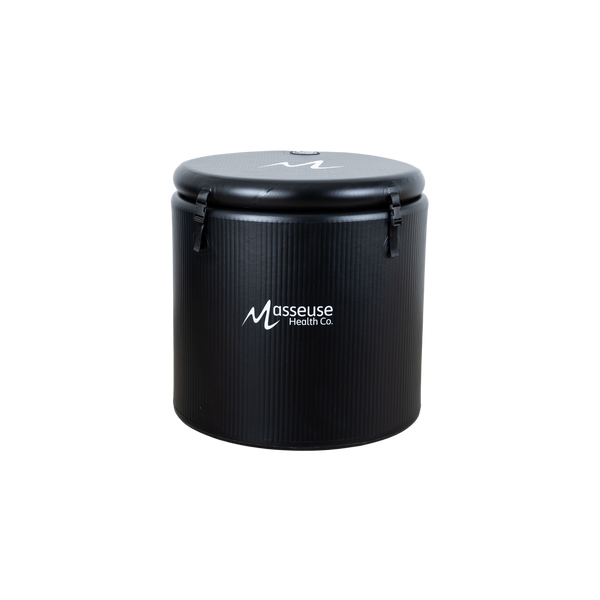
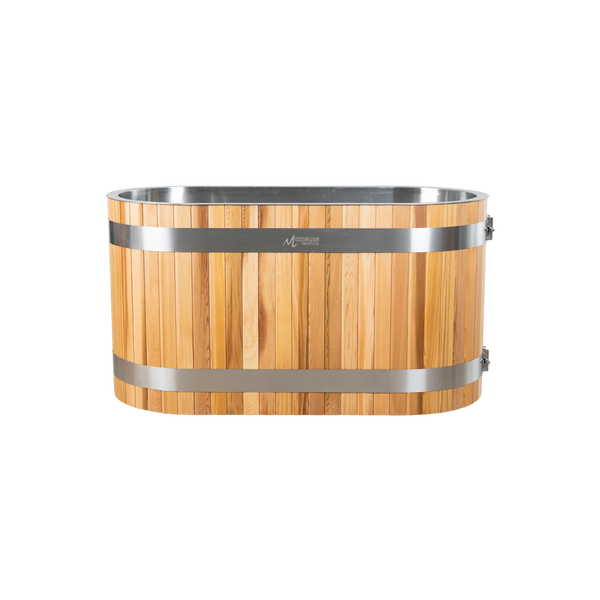
For users who want a premium home setup, the Niseko Ice Bath is designed for a more elevated recovery experience, making it easier to build cold therapy into a regular wellness ritual. For those wanting a practical and accessible entry point, the Plunge Ice Bath offers a simple way to bring cold exposure into the home.
The right setup can reduce friction. When your ice bath is easy to access, clean, and use, consistency becomes much easier.
Start Your Cold Therapy Ritual the Right Way
Cold therapy can be a powerful addition to your recovery routine, but only when it is approached with control, consistency, and respect for the body. The most common beginner mistakes come from chasing extremes: colder water, longer sessions, daily exposure too soon, or treating the experience like a toughness test.
A better approach is to start gradually, breathe calmly, listen to your body, and create a routine that supports your recovery goals. With the right ice bath, cold therapy can become less of a challenge and more of a ritual.
Masseuse Health Co. creates premium recovery tools for modern living, helping Australians build home wellness spaces that support performance, clarity, and everyday wellbeing. Whether you are starting your first cold plunge or refining your recovery routine, choose a setup that makes cold therapy safer, more consistent, and easier to sustain long-term.
Explore our products

Explore Editorial Content


