

Ice Bath Buyer’s Guide: How to Choose the Right Cold Plunge for Your Recovery Goals
Cold plunging is simple. However, buying the equipment to do it properly at home requires consideration. Prices range from a few hundred dollars to over six thousand, and the spec sheets rarely explain what differentiates them. Our range of home ice baths span that entire spectrum, and the right choice depends far more on how you plan to use it than on which tub looks best in photos.
This guide walks through sizing, chiller capacity, water care, and the running costs most first-time buyers underestimate.
Key Takeaways
-
Match the tub to how often you will plunge, because daily and occasional users need completely different equipment.
-
Chiller horsepower only means something when measured against the ambient temperature where the tub will sit.
-
Insulation and a well-fitted cover affect your running costs more than the chiller rating does.
-
Water care is an ongoing commitment, so filtration quality should carry real weight in your decision.
Start With What You Actually Want From Cold Exposure
Before comparing products, be honest about the goal. It changes everything downstream.
If you are training hard and want to manage soreness between sessions, you need something you can get into quickly, most days, without preparation. Consistency is key, and cold therapy for athletes only delivers when it becomes routine.
If you plunge occasionally, after a long run or on weekends, a portable tub like the Plunge Barrel may serve you perfectly well at a fraction of the cost.
Inflatable, Acrylic or Timber: What the Tub Is Built From
Construction determines insulation, longevity, appearance and price.
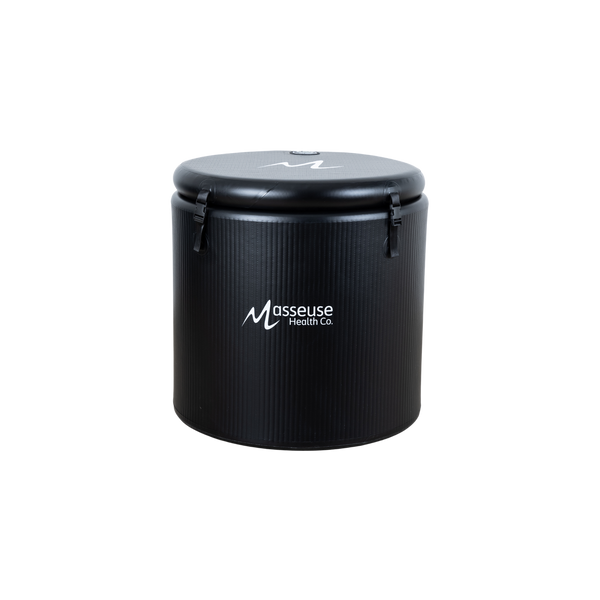
Inflatable tubs use drop-stitch construction, the same technology as stand-up paddleboards. They are surprisingly rigid, genuinely portable, and by far the most affordable entry point. The Plunge Ice Bath sits here and is ideal for renters, apartments, travel and anyone testing whether cold exposure will stick before committing to something permanent.
Acrylic tubs offer a smooth, non-porous surface that is easy to keep clean and holds temperature better than inflatables.
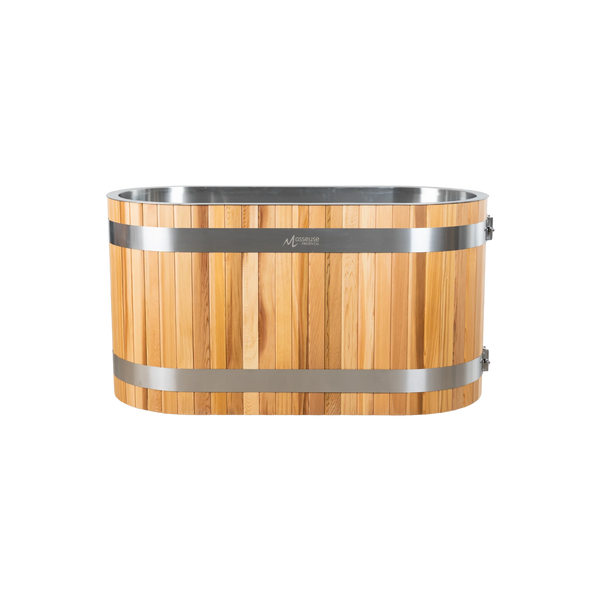
Timber-clad tubs, usually a stainless or acrylic shell wrapped in cedar, like the Niseko Ice Bath, are premium. The cedar is not decoration alone, since timber cladding adds a layer of thermal buffering, but the main reason people choose it is aesthetic, as it brings a natural warmth and texture that would complement their outdoor space.
Sizing an Ice Bath for Your Body, Not Just Your Backyard
-
Water depth: you want shoulder submersion when seated. Anything shallower and your upper back stays dry, which noticeably reduces the effect.
-
Internal length: Always check the internal measurement rather than the external. Several tubs that look generous outside are tight inside once the wall thickness is accounted for.
-
Seated versus reclined: longer tubs let you extend your legs, which most people find far more tolerable than sitting upright with knees folded.
-
Water volume: More litres mean longer initial cooling times and more water to replace, but the greater thermal mass also helps maintain a steadier temperature once chilled.
-
Filled weight: a tub holding 400 litres weighs over 400 kilograms with water alone, before you get in. This makes structural support an important consideration, particularly on decking, balconies or upper floors.
-
Access clearance: measure gates, side paths and doorways before ordering.
Chiller Capacity Is Where Most Buyers Get It Wrong
The chiller is the single most important component in a permanent setup, and horsepower ratings are routinely misread.
-
Horsepower is only part of the picture. A chiller’s horsepower rating indicates its compressor power, not necessarily how much heat it can remove per hour. Whether it can cool an ice bath effectively depends on factors such as ambient temperature, water volume, insulation quality, and the target water temperature.
-
Australian summers are the real test. A chiller that holds 3°C comfortably in a Melbourne winter may struggle to reach 8°C during a 38°C Brisbane January. Ask specifically how the unit performs at high ambient temperatures.
-
Pull-down time versus holding temperature. Getting water from 25°C to 5°C is a much harder task than keeping it there. A smaller chiller may maintain the target temperature effectively but take many hours, or even a full day, to reach it initially.
-
Heating functions add genuine value. Units that also heat let you run contrast therapy and make the tub usable year-round, which meaningfully changes how often you use it.
-
Smart scheduling matters more than it sounds. Being able to pre-cool via an app means the tub is ready when you are, rather than running flat out continuously.
Insulation and Lids Quietly Decide Your Power Bill
This is where cheaper setups cost you over time. An uninsulated tub sitting in the sun bleeds heat into the water constantly, forcing the chiller to work far more than it needs to.
Look for double-wall construction, insulated bases and a properly fitted thermal cover. The cover does the heaviest lifting, since an open tub loses cold rapidly through both evaporation and direct sun. A good cover can halve the time your chiller spends running, and it also keeps leaves, insects and debris out, which reduces how often you need to change the water.
Filtration and the Water Care Nobody Warns You About
Every buyer asks about the chiller. Almost nobody asks about how the water stays clean and fresh. Yet that’s what makes a cold plunge inviting to use every day.
-
Circulation and filtration: a cartridge filter with a pump keeps particulates out and extends how long water stays usable, often from days to weeks.
-
Sanitisation: ozone or UV systems can help reduce the need for chemical sanitisers, which matters when it’s water you’re immersing yourself in every day.
-
Ongoing consumables: filter cartridges and sanitiser are a modest but real recurring cost worth factoring in.
-
Drain and refill practicality: check there’s a proper drain valve or an easy way to empty the tub. When it’s time to change the water, bailing out 400 litres by hand is a job you will only do once.
Whichever system you choose, staying on top of basic ice bath maintenance is what keeps water clear and the chiller running efficiently.
Where It Sits and Where the Water Goes
A full tub needs a level, stable base. Concrete, pavers, or properly rated decking all work. An uneven surface can put unnecessary stress on the tub, while the chiller should sit level to operate as intended.
Think about drainage before installation. Several hundred litres have to go somewhere during water changes, and you do not want it pooling against a house wall or flooding a garden bed each time.
Power is the other consideration. Most domestic chillers run from a standard 10 amp outlet, but check your model’s requirements. If the tub is outdoors, the power point must be suitably located, weatherproof and RCD-protected. If you do not have one nearby, budget for a licensed electrician, since any new outdoor electrical work must comply with AS/NZS 3000 standards.
Shade helps enormously. A tub under direct afternoon sun works its chiller substantially harder than one sitting in shade.
What an Ice Bath Actually Costs to Run
Running cost comes down to how much electricity the chiller uses and what you pay per kilowatt-hour. That figure is driven by insulation, cover use, ambient temperature and the target temperature you set.
The practical approach is to decide your realistic usage first. Someone building a daily recovery routine may prefer to keep the water at a consistent temperature, which is where good insulation makes a difference. Someone plunging twice a week can schedule cooling around sessions and potentially reduce electricity use.
Add filter cartridges and sanitiser, and the total can be relatively modest. It is just worth knowing the number rather than being surprised by it.
Delivery, Assembly and What Support Looks Like in Year Three
Ask how it arrives. Inflatable tubs are generally lightweight and easy to move, while timber, acrylic and stainless steel tubs tend to be heavier and bulkier. For these larger tubs, white-glove delivery, which includes unpacking, positioning and removing the packaging, can be ideal.
Then ask: How long is the warranty, and does it cover the chiller as well as the tub? Are replacement filters and parts readily available? Can you talk to a specialist if something goes wrong? What support is offered after purchase? Knowing what to expect can help you buy with confidence.
Work Through These Four Questions Before You Buy
Answer these questions in order, and you’ll quickly narrow down your options. First, how often do you actually plan to use your ice bath? Will you fit comfortably in the tub, based on its internal dimensions? Can the chiller maintain your target temperature during the hottest days of summer? And is there a level base with drainage and safe power where the ice bath will live?
With these factors in mind, you’ll have a much clearer idea of which tub best suits your needs. If you’re still deciding, compare our full range of home ice baths side by side, or call the team on 1300 888 669 to talk through your options and find the ice bath that best suits your space, routine and budget. The right advice upfront will help you make a choice you’ll be happy with for years to come.
Explore our products

Explore Editorial Content


