

Josh Battle: Recovery, Performance and the Ice Bath Routine
For AFL defender Josh Battle, the work does not stop when training ends. At the elite level, the body is part of the job, and the way it is looked after between sessions can shape how ready an athlete feels when the next one begins. That is why ice bath recovery has become part of Josh’s approach at home. By bringing cold-water immersion into his own space with a dedicated recovery setup, he can make the practice part of a repeatable routine rather than something reserved for the club or an occasional hard session.
For Josh, the appeal is simple: recovery needs to fit around the demands of professional football. From short morning dips that help him feel switched on to post-training plunges when the legs have done the work, the ice bath has a clear place in the rhythm of preparation, performance and reset.
Key Takeaways
-
Josh Battle uses ice bath recovery at home to support preparation, recovery and consistency between AFL training sessions.
-
Cold-water immersion helps him reset in the morning and recover after demanding football sessions.
-
Having a dedicated home setup makes recovery easier to repeat without relying only on club facilities.
-
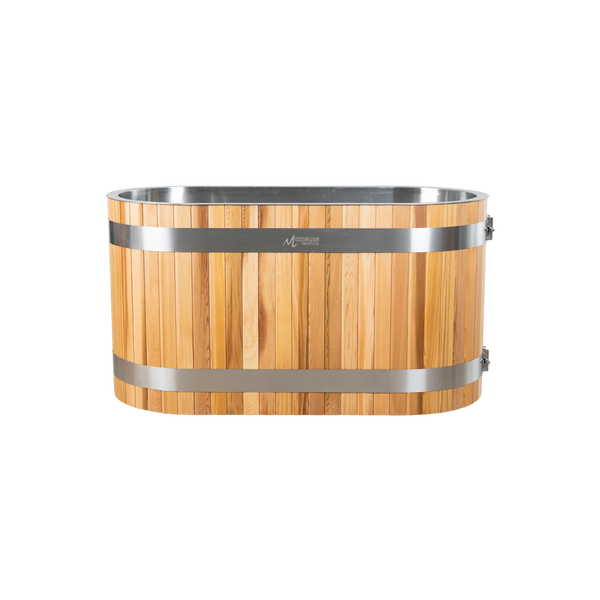
The Niseko Ice Bath supports Josh’s routine by making cold therapy accessible, consistent and practical for elite performance.
Built for the Demands of AFL Football
Australian rules football asks a lot of the body. A key defender can spend a match accelerating, changing direction, jumping, absorbing contact, and covering ground, then return to training days later to do it all again. The demands are different from a single endurance event or one isolated training session. The challenge is being able to repeat the work across a long season.
That makes consistency one of the most valuable qualities in professional sport.
For Josh Battle, an established defender at Hawthorn, preparation is not only about what happens in the gym, on the track, or during skills sessions. It also includes what happens once the intensity drops. Recovery becomes part of maintaining the standard required to train well, prepare for the next opponent, and stay ready for the next contest.
That mindset matters because high performance is rarely built from one exceptional session. It comes from stacking quality days together. Training creates the stimulus, while recovery allows an athlete to reset before the cycle starts again.
For a player whose body is central to his livelihood, those hours between sessions are not an afterthought. They are part of the work.
Recovery Is Part of the Work
Elite athletes have access to a long list of recovery tools, but the most useful ones are often the ones that can be repeated consistently. Sleep, nutrition, mobility, load management, and downtime all have a place. Cold-water immersion can sit alongside them as another practical part of the routine.
For Josh, cold exposure is not framed as a shortcut around the work. It is something that comes after the work.
That distinction is important. The goal is not to make an ice bath responsible for performance. It is to create a recovery routine that helps the body and mind transition out of a demanding session and into the next phase of preparation.
This is also why cold therapy for athletes continues to have a strong place in high-performance environments. Athletes commonly use cold-water immersion after intense work as part of strategies aimed at managing perceived soreness, fatigue, and the feeling of heaviness that can follow demanding training.
For an AFL player, that can be particularly relevant during periods when training, travel, and competition arrive in quick succession. Recovery is not about doing one thing perfectly. It is about having a collection of habits that make it easier to show up again.
Bringing the Ice Bath Routine Home
One of the strongest parts of Josh’s recovery story is not simply that he uses an ice bath. It is where he can use it.
Having a Niseko Ice Bath at home gives Josh regular access to cold-water immersion as part of his recovery routine. It brings a practice commonly associated with professional training facilities into a setting that fits naturally around his daily schedule.
That convenience changes the role a recovery tool can play.
When the setup is already there, there is no need to organise bags of ice, wait for access to club facilities, or treat every plunge like a separate event. The cold can become part of the routine around training rather than another task to schedule.
The dedicated chiller and temperature-controlled setup also make the experience more repeatable. Instead of chasing a different water temperature every session, Josh can step into a recovery environment designed to be ready when he is.
For athletes, that accessibility can matter just as much as the product itself. The easier a recovery habit is to repeat, the more naturally it can fit around the unpredictable rhythm of professional sport.
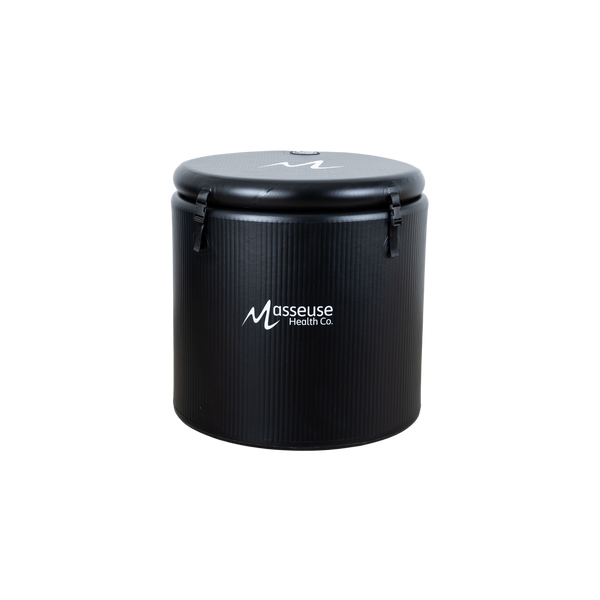
Masseuse Health Co. also offers a Plunge Ice Bath for people who want a lighter and more portable cold-immersion option. But for Josh, the Niseko Ice Bath makes sense because the goal is to establish a permanent home recovery setup that is easy to return to again and again.
Morning Reset, Post-Training Recovery
Josh’s routine gives the ice bath two distinct roles.
The first is a short morning dip. Rather than treating cold immersion only as something that belongs after exercise, Josh uses brief morning exposure as part of the way he starts the day. The goal is to set the right mindset for the day ahead. A cold plunge demands attention and creates an immediate change of state, helping Josh feel sharper and mentally prepared for what comes next.
The second role is more familiar within the sport: the post-training plunge.
After a demanding session, the objective shifts from waking up to winding down. Legs have been loaded, the nervous system has been challenged, and the next training demand is already getting closer. Cold-water immersion becomes one element within the broader recovery process.
For Josh, these two uses demonstrate why timing and purpose matter more than the plunge itself. A morning plunge can support alertness, while a post-training cold plunge can form part of the recovery process. The key is adapting the routine to the demands of the day.
That is also a useful way to think about recovery more broadly. A recovery practice should not exist simply because it is popular. It should have a role within the athlete’s schedule.
Consistency Is the Real Advantage
Professional performance is built around repeatability. One session matters, but lasting progress depends on being able to recover effectively and approach the next session with the same level of readiness.
A complicated routine that happens once every few weeks is unlikely to become part of an athlete’s normal rhythm. A simple practice that is available at home has far less friction. It can sit beside the other basics rather than compete with them.
That is why the home environment matters in Josh’s story. Recovery does not have to begin and end at the football club. Having access to cold-water immersion at home gives him another option around early starts, training days, and the hours after a demanding session.
For anyone building a daily recovery routine, the lesson is not that every day needs to look identical. The best routines are easy enough to return to. Some days may call for a short cold plunge. Others may focus on mobility, sleep, or simply backing off after a heavy load.
The point is to create a system that supports consistency rather than chasing the feeling of a single perfect recovery session.
That is where the Niseko Ice Bath fits naturally into Josh’s approach. It is not the centre of his performance. It supports the habits around it.
Staying Ready for What Comes Next
In AFL football, readiness is never limited to a single game or training session. Athletes must continually prepare for the next opponent, the next physical challenge, and the next opportunity to perform.
For Josh Battle, recovery plays an important role in staying ready.
His approach to cold-water immersion is based on consistency and purpose. A brief morning plunge can help him feel alert before the day begins, while a post-training session gives him time to slow down and transition into recovery. Each use has a clear place within his schedule.
This approach also applies outside professional sport. Recovery is more likely to become consistent when it is accessible and fits naturally around everyday commitments.
For athletes and active people considering cold-water immersion at home, a dedicated ice bath recovery setup can make the practice easier to include in a regular routine.
The visible training sessions may build performance, but the habits between those sessions help support it.
For Josh, the ice bath is one of those habits. It gives him a familiar place to reset and prepare to go again.
Explore our products
Explore Editorial Content


